Babies have a way of keeping parents alert to every little change. A new rash, a sudden sneeze, an upset tummy, or a spell of unusual fussiness can make you wonder what is normal and what needs attention. In the early months and years, babies are still adjusting to the world around them, and their bodies can react strongly to foods, dust, pollen, fabrics, pets, soaps, or even tiny changes in their routine.
Understanding allergy signs in babies can help parents respond calmly and wisely. Allergies do not always look dramatic at first. Sometimes they show up as a mild skin reaction. Other times, they affect breathing, digestion, sleep, or mood. Because babies cannot explain what they feel, parents often have to read the signs through their skin, cries, feeding habits, and overall behavior.
It is important to remember that not every rash or sniffle means an allergy. Babies can have colds, heat rash, dry skin, reflux, or ordinary digestive changes. Still, knowing what allergy symptoms may look like gives you a better sense of when to observe, when to adjust, and when to call a doctor.
Why Babies Develop Allergic Reactions
An allergy happens when the immune system reacts to something it sees as a threat, even if that thing is usually harmless. This trigger is called an allergen. In babies, allergens may come from food, formula, breast milk exposure through a mother’s diet, household dust, pet dander, pollen, insect bites, laundry products, or skincare items.
Because a baby’s immune system is still developing, reactions can be unpredictable. Some babies may tolerate a food or product once and react another time. Others may show signs very quickly after exposure. Family history can also play a role. If parents or siblings have allergies, eczema, asthma, or hay fever, a baby may have a higher chance of developing allergic conditions too.
Even so, allergies are not always easy to identify. A baby may have several mild symptoms that seem unrelated at first. This is why paying attention to timing matters. If symptoms repeatedly appear after a certain food, environment, or product, that pattern can offer an important clue.
Skin Changes That May Signal Allergies
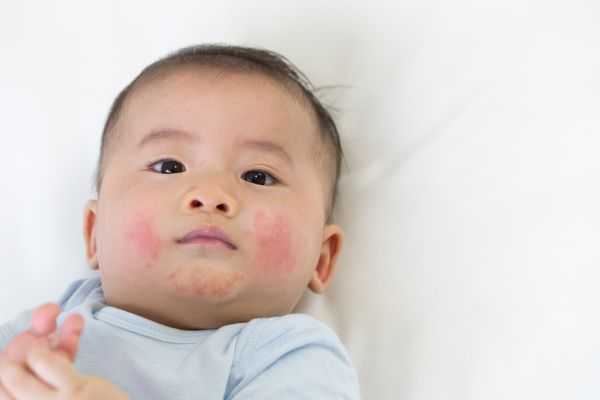
The skin is often one of the first places allergy signs appear in babies. Since baby skin is delicate, even a small reaction can look noticeable. Parents may see red patches, raised bumps, hives, swelling, dry irritated areas, or itchy-looking skin.
Hives are one of the more classic allergy signs. They usually appear as raised, red or pink welts that may move around the body. One patch may fade while another appears somewhere else. Hives can show up soon after a baby eats a trigger food, touches an irritant, or is exposed to something in the environment.
Eczema can also be connected with allergies, although it is not always caused by them. Babies with eczema may have rough, dry, red, or scaly patches, often on the cheeks, arms, legs, or body folds. The skin may look inflamed and uncomfortable, and the baby may rub against clothing or bedding because of itching.
Swelling is another sign to watch closely. Mild puffiness around the eyes or lips can be part of an allergic response. However, swelling of the face, tongue, or throat can be serious and needs urgent medical attention, especially if it comes with breathing trouble.
Digestive Allergy Signs in Babies
Food allergies and sensitivities can affect a baby’s stomach and digestion. These symptoms may be harder to recognize because babies commonly spit up, have gas, and experience changes in stool. Still, certain patterns may suggest that something is not agreeing with them.
A baby with a possible food allergy may vomit repeatedly after feeding, have diarrhea, seem unusually gassy, or cry as if in pain after eating. Some babies may have mucus or blood in the stool, which should always be discussed with a healthcare professional. Others may refuse feeds, arch their back, or become very unsettled shortly after nursing or bottle-feeding.
Common food allergens include milk, eggs, peanuts, tree nuts, wheat, soy, fish, and shellfish. In younger babies, cow’s milk protein allergy is one concern parents often hear about, especially if a baby has digestive symptoms along with eczema or blood-streaked stool. But diagnosis should not be guessed at home. A doctor can help decide whether the symptoms truly point to allergy or something else.
Digestive allergy symptoms may appear quickly, but some can be delayed by hours or longer. That delay can make it tricky to connect the reaction with a specific food. Keeping a simple record of foods, feeds, symptoms, and timing can be helpful when speaking with your baby’s doctor.
Breathing and Nose Symptoms to Notice
Allergies can also affect a baby’s nose, throat, and breathing. A baby may have repeated sneezing, a runny nose, nasal congestion, coughing, watery eyes, or noisy breathing. These symptoms can look very similar to a cold, which is why timing and duration matter.
A cold usually comes with a general pattern: symptoms build, last several days, and then improve. Allergy symptoms may continue for longer or appear mainly after exposure to a trigger, such as being around pets, dust, pollen, or a certain room in the house. For example, a baby who becomes stuffy and sneezy after lying on a dusty carpet or visiting a home with cats may be reacting to something in that environment.
Breathing symptoms should be taken seriously. Wheezing, fast breathing, difficulty breathing, repeated coughing after eating, or pulling in around the ribs while breathing should not be ignored. Babies have small airways, so even mild swelling or irritation can become concerning quickly.
Eye and Face Reactions
Allergic reactions may show up around the eyes and face. A baby’s eyes may become watery, red, puffy, or itchy-looking. Since babies cannot tell you their eyes itch, they may rub their face, turn away from light, or seem more irritated than usual.
Puffiness around the eyelids can happen with environmental allergies, insect bites, or contact with something irritating. Sometimes a baby may develop a rash around the mouth after eating a certain food. This can happen when food touches the skin, especially with acidic foods, but it can also be part of an allergic reaction.
The difference is not always obvious. A mild red ring around the mouth after eating fruit may be simple irritation, while hives, swelling, vomiting, coughing, or widespread rash after food is more concerning. When symptoms involve more than one body system, such as skin plus breathing or digestion, parents should treat it as more serious.
Behavioral Clues Parents Often Notice First
Sometimes the earliest allergy signs in babies are not obvious physical symptoms. Parents may first notice that the baby seems unusually fussy, restless, clingy, or difficult to settle. A baby may cry after feeds, sleep poorly, rub their face, pull at their ears, or seem uncomfortable without a clear reason.
Of course, babies cry for many reasons. Hunger, tiredness, teething, overstimulation, gas, and growth spurts can all cause fussiness. But if the behavior keeps appearing alongside rashes, stomach upset, congestion, or symptoms after a specific exposure, allergies may be worth considering.
Parents often know when something feels different. That instinct matters. A baby who is “just not themselves” may need closer observation, especially if symptoms are repeating or worsening.
Food Allergy Signs After Starting Solids
Starting solids is an exciting stage, but it can also make parents nervous. New foods bring new tastes, textures, and sometimes new reactions. Many babies tolerate new foods well, but parents should still introduce foods thoughtfully and watch for symptoms.
Food allergy signs may include hives, swelling, vomiting, coughing, wheezing, diarrhea, or sudden fussiness after eating. A mild rash around the mouth can happen with certain foods, but a reaction that spreads or comes with other symptoms should be taken more seriously.
It is helpful to introduce one new food at a time, especially with common allergens. This makes it easier to identify what may have caused a reaction. Parents should not delay important foods without medical guidance, but they should stay observant and prepared.
If your baby has severe eczema, a known food allergy, or a strong family history of allergies, it is worth discussing food introduction with a pediatrician. Some babies need a more careful plan.
Contact Allergies and Household Triggers
Not all baby allergies come from food. Some reactions happen when the skin touches something irritating or allergenic. Laundry detergent, fabric softener, baby lotion, shampoo, wipes, perfumes, cleaning sprays, wool clothing, or certain diaper materials may cause redness, dryness, itching, or rash.
Contact reactions usually appear where the product or material touched the skin. For example, a rash around the diaper area may relate to wipes, diapers, moisture, or creams. A rash on the chest or arms may be linked to laundry products or clothing fabric. A reaction on the cheeks may come from drool, food contact, skincare products, or bedding.
Switching to gentle, fragrance-free products may help some babies, but it is still best to avoid making too many changes at once. If everything changes together, it becomes harder to know what actually helped.
When Allergy Symptoms Need Urgent Care
Some allergy symptoms are mild and can be discussed with a doctor during a regular visit. Others need immediate attention. Parents should seek urgent medical help if a baby has trouble breathing, swelling of the lips or tongue, repeated vomiting after a suspected allergen, widespread hives, extreme sleepiness, pale or bluish skin, or sudden weakness.
A severe allergic reaction, known as anaphylaxis, can happen quickly. It may involve the skin, breathing, digestion, heart rate, or overall alertness. Even if symptoms seem to improve, medical care is still important after a serious reaction.
For less severe but repeated symptoms, parents should contact a pediatrician. A doctor may recommend observation, allergy testing, changes in diet, or a referral to an allergy specialist. It is not a good idea to remove major foods from a baby’s diet for long periods without guidance, especially during an important growth stage.
How Parents Can Track Possible Allergies
Because baby symptoms can overlap, tracking patterns can make a big difference. Parents can note what the baby ate, where they were, what products touched the skin, when symptoms started, and how long they lasted. Photos of rashes can also be useful because skin reactions may fade before an appointment.
This does not need to become stressful or overly detailed. A simple record can help a doctor see connections that may not be obvious from memory alone. It also helps parents feel less lost when symptoms appear again.
The goal is not to diagnose your baby at home. The goal is to notice patterns, respond safely, and bring clear information to a healthcare professional.
A Calm Conclusion on Baby Allergy Signs
Recognizing allergy signs in babies is part observation, part patience, and part trusting your sense that something may need attention. Allergies can show up through the skin, stomach, breathing, eyes, or behavior, and sometimes the signs are subtle before they become clear.
Most symptoms are not a reason to panic, but they are worth noticing. A rash after a new food, repeated tummy trouble after feeding, congestion around certain triggers, or swelling that appears suddenly can all offer clues. The more calmly and carefully parents observe, the easier it becomes to understand what a baby’s body may be trying to say.
Babies grow and change quickly, and so do their reactions. With safe choices, careful tracking, and medical guidance when needed, parents can handle possible allergies with more confidence and less fear. In the end, the aim is simple: keeping your baby comfortable, protected, and well understood as they discover the world one tiny experience at a time.