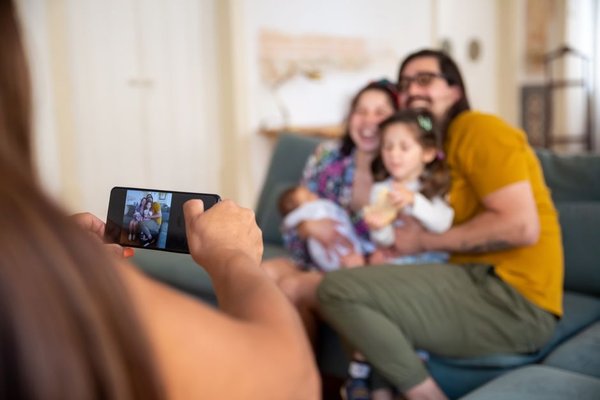
Your newborn does not need a studio, fancy backdrop, or professional camera to look beautiful in photographs. The phone you already use can capture tiny expressions, wispy hair, and curled fingers that change almost before you notice. Work with your baby’s rhythm rather than staging an elaborate photo shoot.
If you’re wondering how to take newborn photos with a phone, start with soft daylight, a clear frame, and simple camera controls. Good phone newborn photography is less about equipment and more about noticing moments worth keeping.
Plan Around Your Baby, Not the Clock
Choose a time when your baby is comfortable, fed, and changed. Some newborns settle after a feed; others are most expressive when quietly awake. Either can make lovely pictures. Keep sessions short, and stop whenever your baby needs attention.
Before beginning, wipe the phone’s lens with a clean microfiber cloth, silence notifications, and clear distracting objects from the background. A plain wall, tidy corner, or baby’s safe sleep space is enough. A newborn photo checklist can help, but don’t turn a peaceful moment into a performance.
Make Safety Part of Every Photograph
Beautiful pictures should never depend on a risky pose. For sleeping photographs, leave your baby on their back in an appropriate crib or bassinet with a firm, flat mattress and fitted sheet. Keep pillows, loose blankets, stuffed toys, and decorative props out of the sleep space, as recommended by the American Academy of Pediatrics.
Avoid balancing a newborn in baskets, propping their head on their hands, arranging them on high surfaces, or copying poses requiring hidden support. Professional-looking pictures are not worth a fall or breathing risk. Never leave your baby unattended, and keep cords, lighting equipment, and small accessories away.
For awake photographs, a caregiver can hold the baby securely while another adult takes the picture. Supervised tummy time may offer different expressions, but it is for an awake baby, not a sleeping pose. Let safety and comfort determine the shot.
Find the Best Light in Your Home
Use a window instead of flash
Soft window light reveals delicate features without the harsh look of phone flash. Find a bright room without direct sun falling on your baby. Let the window light one side of their face, and photograph from the brighter side. A sheer curtain can soften sunlight, provided it stays away from your baby.
Watch the light in your home: one room may be bright and gentle in the morning, while another looks better later. Turn off mixed-color lamps if they make skin tones appear orange or green.
Try a five-minute window-light setup
Imagine your baby resting safely in their bassinet near a bright window. Stand beside it, with a caregiver nearby, and let daylight fall across the baby’s face. Take one wider photograph, reposition yourself for a closer face shot, then capture a little hand. No extra props required.
Compose the Photo Before You Tap the Shutter
Start with a simple improvement: move your feet instead of using digital zoom. Fill the frame with your baby, but leave some space around the head and hands. Check the corners for clutter. Clean composition can make ordinary smartphone baby photos feel timeless.
Try photographing at your baby’s eye level when they are safely positioned. For an overhead view, hold the phone securely; never climb onto furniture or adopt an unstable position. Small camera-angle changes can be more flattering than filters.
Mix close details with images showing context. The whole bassinet records how small your newborn was; fingers wrapped around a parent’s thumb tell a different story. Both belong in your album.
Use Your Phone Camera’s Most Useful Settings
Set focus on the eyes
Open Photo mode and tap your baby’s face, ideally near the closest visible eye, to set focus. On an iPhone, you can tap and hold to engage AE/AF Lock, then adjust brightness using the exposure control. Android controls vary, but many models also support tap-to-focus and exposure adjustment.
If the face looks too bright against a dark room, lower exposure slightly. Take several pictures when your baby blinks or turns. For iPhone newborn photos, Live Photos can help you select a better moment afterward, if available.
Skip tricks that reduce detail
Use the main camera at normal magnification whenever possible. Digital zoom can soften details, while Portrait mode sometimes blurs ears, wispy hair, or tiny fingers. Try Portrait mode, but keep a regular shot too. In dim light, brace your elbows against your body and wait for stillness.
Build a Small Gallery With Different Views
DIY baby photography becomes more satisfying when you collect varied photographs rather than dozens of nearly identical face shots.
The everyday portrait
Photograph your baby on their back in a safe setting, with softly lit features and an uncluttered background. Capture both peaceful and alert expressions.
The tiny details
Move closer for eyelashes, hair, toes, and a hand clasping a caregiver’s finger. Hold the phone steady and check the detail is sharp.
The family connection
Include hands gently cradling your baby or a parent holding them securely. Such pictures often become more meaningful with time. Repeating a similar safe angle over coming months can create monthly baby milestone photos without elaborate costumes.
Edit Lightly and Keep the Real Moment
Select a few strong photographs. Adjust brightness, shadows, and warmth gently, then crop distracting edges. Avoid aggressive skin smoothing: newborn skin may have peeling, small marks, or temporary redness, all part of the story.
Editing smartphone photos works best when you aim for believable color rather than dramatic presets. Save originals, back up favorites, and consider keeping shared albums private.
Frequently Asked Questions
Can I take good newborn photos with an older phone?
Yes. Older phones can produce lovely photographs in soft daylight. A clean lens, steady hands, careful focus, and uncluttered backgrounds often matter more than the newest camera features.
Should I use flash for indoor newborn pictures?
Soft window light usually produces gentler shadows and natural-looking skin. If the room is dark, try another daylight location rather than relying on direct flash.
When is the best time to photograph a newborn?
Choose a calm, comfortable moment instead of a particular age or hour. Brief sessions after routine care may work well. Never delay feeding or keep your baby awake just to finish a photograph.
How can I photograph my sleeping baby safely?
Keep them on their back in a safe sleep space with a firm, flat surface and no loose items. Photograph their natural position instead of arranging a decorative pose.
Keep the Pictures That Feel Like Your Family
Learning how to take newborn photos with a phone means paying attention: find gentle light, focus carefully, keep setups safe, and photograph little details before they change. Your favorite image may be the one where nothing was posed—just your baby, comfortable at home.