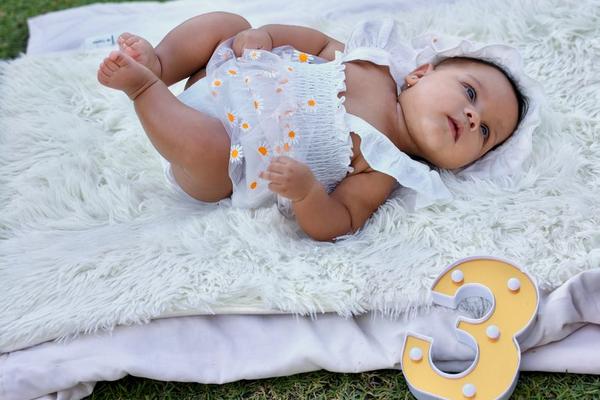
The first newborn photo and the first-birthday photo can look like two different children. Yet the most revealing changes often happen in between: feet extending farther across a blanket or a familiar toy looking smaller beside a growing baby. Baby growth comparison photos make those differences visible without elaborate equipment.
The secret is consistency. A lovely photo records a moment; a repeatable photo creates a comparison. Choose a simple scene, keep its framing steady and build a first-year series that tells its story month by month.
Build a Setup You Can Repeat
Choose a comfortable spot with reliable natural light, such as a rug beside a window. A plain blanket on the floor works well for younger babies. As your child becomes mobile, you may need to adapt the pose, but the setting can remain recognizable.
Before the first session, photograph the empty setup. This reference image will remind you where the blanket, camera and comparison object belonged. Save it alongside the finished pictures.
Keep the camera position consistent
You do not need professional equipment for monthly comparison pictures. Use the same phone lens setting when possible and avoid alternating between wide-angle and portrait modes. Pick a standing position you can identify later, perhaps beside the edge of a rug.
Leave similar space around your baby each time. If one image is tightly cropped and the next includes lots of floor, the apparent change in size can be misleading. Extra space in the original also helps when assembling a collage.
Choose a Visible Size Reference
A familiar object turns ordinary baby growth photos into a clearer comparison. Try a fixed blanket pattern or a washable cushion positioned away from the baby’s face and reach. The reference should stay the same size and occupy roughly the same place each month.
For example, position the same folded quilt near the top edge of your floor setup. In the newborn picture, your baby occupies only part of the space below it. Later, their body extends much farther across the scene. The quilt makes that change easy to notice.
Avoid stretchy garments and different-sized toys as reference objects. Baby size comparison photos illustrate visual change, not precise measurements. Photographs cannot replace the weight, length and head-circumference measurements used to monitor growth during routine health visits.
A Practical Month-by-Month Routine
Schedule each session around the monthly birthday, but allow a few days either side. A rested baby on a different date is easier to photograph than an upset baby on an exact deadline. Aim for one useful image, not an entire photo shoot.
Newborn to three months
Use a supervised, floor-level setup and a comfortable natural position. Notice how much of the blanket the baby occupies, while remembering that curled legs or different arm positions affect the outline. Never straighten or force the baby’s posture for matching pictures.
Four to eight months
Rolling and sitting abilities emerge at different times. Keep a lying-down comparison if your child is comfortable and closely supervised, or start a separate seated series when appropriate. A consistent background or camera height helps connect the pictures even when the pose changes.
A collection of monthly baby milestone photo ideas can complement the growth series by recording smiles, curiosity and new abilities without requiring an identical pose.
Nine to twelve months
An older baby may crawl away or explore the background. Set the camera up first, keep another adult nearby if useful and take a few quick photographs during play. A familiar backdrop still provides continuity, even when the child refuses to stay in one spot.
Arrange the Photos So Growth Stands Out
A comparison works best when viewers can scan the images in order. Arrange them in equally sized panels from newborn to twelve months, with accurate age labels. A simple three-column or four-column grid is usually clearer than a heavily decorated collage.
Use fixed background landmarks when cropping. Align the edge of the blanket rather than enlarging every baby to fill the panel. If each child image is resized to the same height, the edit hides the growth you were trying to show.
Keep colour adjustments light. Similar brightness helps the photographs feel cohesive, but strong filters alter the appearance of skin tones and clothing. Save untouched originals separately from the finished layout.
These first year growth pictures also work well beside a baby photo timeline with one brief note per month, such as a favourite game or expression. The notes add personality without suggesting that a picture proves a developmental milestone.
Avoid Misleading Comparisons
Changing the camera distance is a common mistake. Moving closer makes the baby appear larger regardless of actual growth. Wide-angle lenses can also exaggerate proportions near the edges, so keep your baby near the centre of the frame.
Mixing lying, sitting and standing poses without explanation creates another problem. These positions change apparent body length. Separate the pictures into phases or mention the pose change in a short caption.
Missed a month? Keep going. Leave a labelled gap or include an appropriately dated candid photograph. An honest, imperfect series is more valuable than a recreated image passed off as an earlier moment.
Put Safety and Comfort First
Use stable, floor-level surfaces and remain close enough to supervise your baby throughout. Never leave a baby unattended on a bed, table or raised prop. Keep loose fabric, cords and small accessories away from the face and hands, and avoid unsupported poses.
If your child is tired, hungry or unhappy, try another time. A newborn photo checklist that centres on everyday moments can be useful for documenting the earliest weeks without elaborate staging.
Frequently Asked Questions
When should I start baby growth comparison photos?
The newborn period offers the longest timeline, but starting at two or three months is fine. Treat the first available photo as your baseline and focus on consistency afterward.
Do I need the same outfit every month?
No. Clothes stop fitting, and that’s part of the story. A familiar background, reference object and camera position are more dependable than trying to reuse one outfit.
Can pictures tell me whether my baby is growing normally?
No. Perspective, posture and lighting affect apparent size. Use professional growth measurements for health questions, and speak with your child’s healthcare professional about concerns.
What if I missed several monthly pictures?
Arrange the images you have by date and label their ages accurately. You can include candid photos from missing months if you make the differences in framing clear.
Let the Small Changes Tell the Story
The strongest monthly series is usually the simplest one you can recreate on an ordinary afternoon. A familiar background, steady perspective and relaxed baby are enough. Over time, longer limbs, changing expressions and a growing presence in the frame turn everyday photographs into a memorable first-year record.