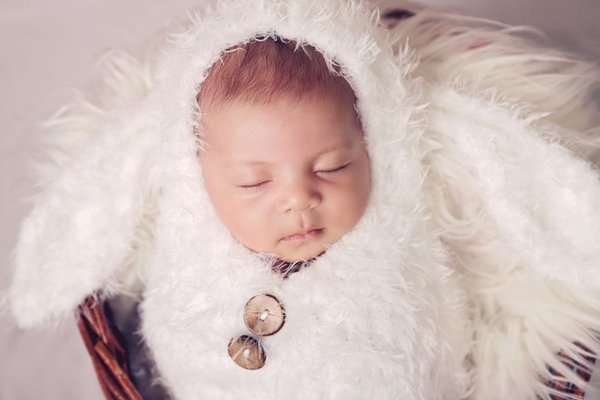
A sleeping newborn can be surprisingly noisy. One minute the room is quiet; the next, your baby is grunting, squeaking, snorting, sighing, or making tiny cries without actually waking. For a tired parent listening in the dark, those sounds can be alarming.
In many cases, newborn sleep noises are part of normal immature breathing and sleep patterns. Newborns spend a large share of sleep in active, or REM-like, sleep, when breathing can be irregular and faces and bodies may move. The useful question is not simply, “Is my baby making noise?” but, “What does my baby look like while making that noise?” Color, breathing effort, feeding, alertness, and the pattern of the sound often matter more than the sound alone.
Why Newborns Can Be Such Noisy Sleepers
Newborn active sleep looks very different from adult sleep. During this lighter stage, babies may twitch their arms or legs, flutter their eyelids, smile, suck, briefly fuss, or make a collection of little baby sleep sounds. Breathing can speed up, slow down, and become uneven before settling again.
Newborns also have very small nasal passages, so a little mucus or normal upper-airway vibration may sound dramatic. Digestion adds another layer: babies may strain, squirm, pass gas, or grunt as their still-developing digestive system works.
This is why a newborn noisy sleeper can sound busy while remaining comfortably asleep. If the chest is moving easily, the lips and tongue keep their usual color, and the baby settles into quieter breathing between noises, the overall picture is often reassuring.
Common Newborn Sleep Noises and What They May Mean
Grunting
Occasional newborn grunting in sleep may happen with stretching, bowel movements, active sleep, or a brief change in breathing pattern. A single grunt followed by relaxed breathing is different from grunting with nearly every breath. Repeated grunting together with fast breathing, nostril flaring, or skin pulling in around the ribs can signal respiratory distress and needs urgent medical assessment.
Snorts, Squeaks, and Whistles
Short snorts and mild nasal whistles often come from narrow newborn nasal passages. Persistent harsh or high-pitched noisy breathing, especially if it happens while the baby is awake as well as asleep, should be discussed with a healthcare professional.
Sighs and Brief Changes in Breathing Rhythm
Newborn breathing is not always clockwork. During active sleep, some healthy babies have periodic breathing: a short pause of several seconds followed by a brief burst of faster breathing, then a return to a regular rhythm. The American Academy of Pediatrics describes pauses of about 5 to 10 seconds during normal periodic breathing, without a change in skin color.
A pause longer than 10 seconds, repeated concerning pauses, or any pause accompanied by blue or grey lips, unusual limpness, or difficulty waking needs urgent medical attention.
Little Cries, Whimpers, and Groans
A baby can vocalize during sleep without being fully awake. You may hear a short cry, whimper, groan, or sucking sound and then see your baby settle immediately. Responding to every tiny noise by picking the baby up may sometimes wake them from active sleep rather than comfort an awake baby.
A Practical Way to Check a Noisy Sleeping Newborn
Imagine you hear three quick grunts from the bassinet at 3 a.m. Instead of judging the sound alone, look for a few seconds. Is your baby lying comfortably? Is their chest rising without deep pulling between or below the ribs? Are the lips and tongue their normal color? Does the noise stop while breathing continues easily? If so, the episode may simply be active sleep.
That short visual check can help you separate “strange but comfortable” from “working hard to breathe.” You do not need to wake a baby who appears comfortable just to make the sleep quieter. If something looks wrong, trust the whole picture rather than waiting for a specific sound to worsen.
When Sleep Noises Need Medical Attention
Get urgent medical help if your newborn is struggling to breathe, breathing very fast and persistently, grunting with each breath, flaring their nostrils, or pulling the skin in around the ribs or breastbone. Blue, grey, very pale, or mottled lips or skin, marked limpness, poor responsiveness, or significant pauses in breathing are also warning signs.
Feeding matters too. A baby who becomes too breathless to feed, repeatedly stops feeding to breathe, takes much less milk than usual, or is unusually sleepy should be assessed promptly. For babies under 3 months, a temperature of 38°C (100.4°F) or higher also requires urgent medical advice.
If a sound is new, persistent, or happening when your baby is awake, record a short video or audio clip if you can do so safely. Showing the pattern to your pediatrician, GP, midwife, or other clinician can be more useful than trying to imitate the noise later.
Keep Sleep Safe While You Observe
Do not change safe sleep positioning simply because your baby sounds noisy. Babies should be placed on their backs for sleep on a firm, flat, non-inclined surface with no pillows, loose blankets, bumpers, wedges, or positioners. Propping a baby up or placing them on their side or stomach to make breathing sound quieter can introduce avoidable sleep risks.
Related guides on newborn sleep safety, newborn feeding patterns, and normal newborn breathing can help you build a clearer picture of what is typical in the first weeks.
Frequently Asked Questions
Is newborn grunting in sleep normal?
Occasional grunting can be normal, especially during active sleep, stretching, or digestion. Grunting with nearly every breath, especially with fast breathing, nostril flaring, or chest retractions, needs urgent assessment.
Why does my newborn sound congested while sleeping?
Newborn nasal passages are narrow, so small amounts of mucus can create snorting or whistling sounds. If congestion interferes with feeding or breathing, or your baby seems unwell, contact a healthcare professional.
Is irregular breathing during newborn sleep normal?
Some irregularity can occur in active sleep, including brief periodic pauses followed by faster breaths. Color should remain normal and the baby should not appear to work hard to breathe. Longer pauses or color changes need urgent medical attention.
Should I wake my baby when they make noises in their sleep?
Usually not if the baby remains asleep, comfortable, normally colored, and is breathing without effort. Watch for a few moments before intervening. If you see breathing difficulty or your baby is hard to wake, seek medical help.
What to Remember About Newborn Sleep Noises
Newborn sleep is active, irregular, and often louder than parents expect. Grunts, squeaks, snorts, sighs, twitches, and brief vocalizations can occur in a healthy sleeping baby. The key distinction is between noise with comfortable breathing and noise accompanied by visible effort, color change, poor feeding, unusual sleepiness, or prolonged pauses.
As you learn your baby’s normal nighttime soundtrack, it becomes easier to recognize which sounds can be watched calmly and which deserve attention. When a breathing pattern looks wrong rather than merely sounds odd, prompt medical advice is the safer choice.