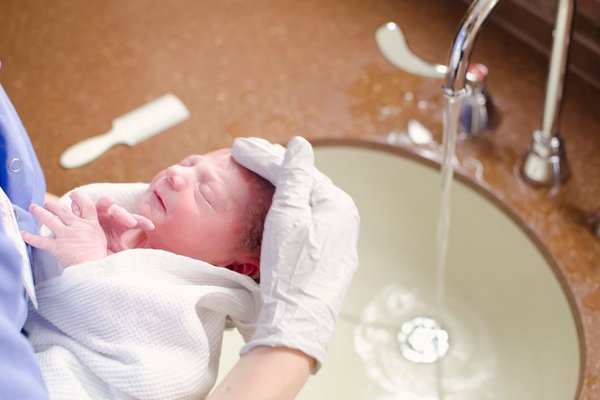
Bathing a newborn can feel awkward the first few times. Your baby is small, slippery when wet, and still adjusting to life outside the womb. A safe newborn bath routine is simple once everything is prepared before you begin. The goal is to keep your baby clean, warm, supported, and supervised from start to finish.
Newborns do not need a full bath every day. For most babies, two or three baths a week are enough, with the face, neck folds, hands, and nappy area cleaned as needed between baths. If the umbilical cord stump is still attached, many paediatric sources recommend sponge baths until it falls off and the area has healed. Follow any specific advice from your midwife, health visitor, or paediatrician.
Prepare Everything Before the Bath
Gather a clean towel, fresh nappy, clothes, washcloth, and any baby-safe cleanser before undressing your baby. Once bath time begins, do not walk away to collect forgotten items. Choose a warm, draught-free room and a time when your baby is awake and fairly settled. Avoid bathing immediately after a feed or when your baby is very hungry or overtired.
Fill the bath with warm, not hot, water. Around 37 to 38°C is commonly used as a guide, but always mix the water thoroughly and check it yourself so there are no hot patches. Your wrist or elbow should feel comfortable in the water, not hot. For more detail, see our newborn bath temperature guide.
How to Bathe a Newborn Step by Step
Step 1: Undress Your Baby While Keeping Them Warm
Place your baby on a safe, flat surface and undress them gradually. Keep a towel around their body until you are ready to lower them into the bath. Newborns lose heat quickly, so there is no reason to leave them uncovered while you organise the next step.
Step 2: Clean the Face First
Use a soft damp washcloth or clean cotton pad with plain warm water. Gently wipe around the eyes from the inner corner outward, using a fresh area of cloth for each eye. Clean the cheeks, chin, behind the ears, and around the neck folds. Do not put cotton buds or anything else inside the ear canal.
Step 3: Support the Head, Neck, and Shoulders
Use one arm to support your baby’s head and shoulders while your hand holds the upper arm securely. Lower your baby slowly, feet first, keeping the head and face well above the water. Your other hand remains free for washing. Consistent head and neck support is central to bathing a newborn safely.
Step 4: Wash the Body Gently
Use your free hand or a soft washcloth to move warm water over the chest, tummy, arms, and legs. Pay attention to folds around the neck, armpits, groin, and thighs, where milk or moisture can collect. Plain water is often enough in the early weeks. If you use cleanser, choose a mild baby product and use only a small amount.
A useful routine is to work from cleaner areas toward the nappy area, washing the bottom and genitals last. There is no need to scrub newborn skin; gentle wiping and rinsing are enough.
Step 5: Wash the Hair Only When Needed
Newborn hair does not need shampoo at every bath. If the scalp needs cleaning, support your baby’s head securely and use a little warm water. If you use shampoo, choose a gentle baby formula, use a very small amount, and rinse carefully.
Step 6: Keep the Bath Short and Stay Within Reach
A newborn bath can be brief. A few calm minutes is often plenty. Never leave a baby alone in the bath, even for a moment and even when using a bath seat or support. If you must answer a door or deal with another urgent interruption, lift your baby out, wrap them in a towel, and take them with you.
Step 7: Lift, Dry, and Dress Your Baby
Lift your baby out securely and wrap them immediately in a dry towel. Pat rather than rub the skin. Dry carefully between folds, including the neck, behind the ears, under the arms, and around the groin. Put on a fresh nappy and clothes soon afterwards so your baby stays warm.
What If the Umbilical Cord Is Still Attached?
A sponge bath is often the easiest option while the cord stump remains. Keep your baby wrapped in a towel and uncover one body area at a time for washing. Keep the stump clean and dry unless your healthcare professional has advised otherwise. Our guide to giving a newborn sponge bath covers this version of the routine in more detail.
Seek medical advice if the cord area develops spreading redness, swelling, pus, a bad smell, persistent bleeding, or if your baby seems unwell or has a fever. Newborns can become unwell quickly, so possible infection should be assessed promptly.
How to Make the First Baby Bath Calmer
Your first baby bath does not need to go perfectly. It is normal to pause, adjust your grip, or decide that a sponge bath is easier for another few days. Talking softly and moving slowly can help your baby settle.
For example, if your baby cries as soon as their clothes come off, wrap them in a towel and expose only the area you are washing. Once they settle, continue slowly or stop and try another day. A successful bath is one that stays safe and calm, not one that follows every step on a strict timetable.
If your baby’s skin becomes dry or irritated after bathing, consider bathing less often and review the products you use. Our newborn skin care basics guide can help you decide when plain water may be enough and when persistent dryness or a rash deserves medical advice.
Frequently Asked Questions
How often should I bathe a newborn?
Two or three baths a week are usually enough if you clean the face, neck folds, hands, and nappy area as needed between baths. More frequent bathing can dry some babies’ skin.
When can a newborn have a tub bath?
Many paediatric guidelines recommend sponge baths until the umbilical cord stump has fallen off and the area has healed. If your baby was premature or has a medical condition, follow the advice from your healthcare team.
Do I need soap for a newborn bath?
No. Plain warm water is often sufficient, especially in the first weeks. If a cleanser is needed, use a small amount of a mild product designed for babies and rinse it away thoroughly.
What should I do if my newborn hates the bath?
Keep baths short, make sure the room and water are comfortably warm, and try bathing when your baby is calm rather than hungry or tired. Sponge bathing is a reasonable alternative while your baby gets used to the routine.
A Safe Routine Gets Easier With Practice
Learning how to bathe a newborn is mainly about preparation, secure support, warmth, and constant supervision. Set everything out first, keep the water comfortably warm, support the head and neck, wash gently, and dry your baby promptly. After a few repetitions, the newborn bath steps usually feel much more natural.