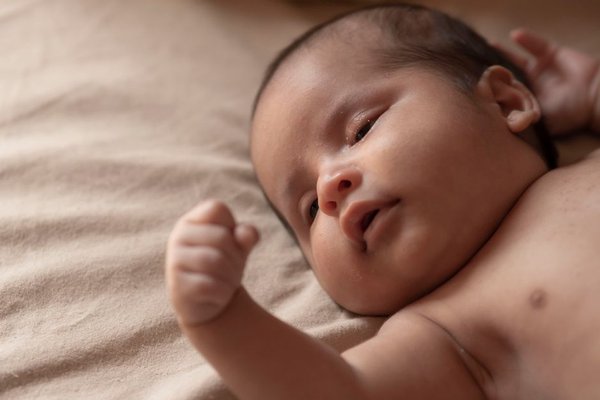
Newborn skin can change quickly, and a rash that looks dramatic in the morning may look different by bedtime. That can be unsettling when you are still learning what is normal for your baby. The reassuring part is that many common newborn rashes are harmless, temporary, and need little more than gentle skin care. What matters most is not just how a rash looks, but how your baby is behaving, feeding, breathing, and whether there is a fever.
Why newborn skin develops so many rashes
A newborn’s skin is still adapting to life outside the womb. Sweat glands are immature, pores can block easily, moisture collects in skin folds, and the skin barrier is delicate. These changes can produce spots and bumps that look alarming but are usually short-lived.
A useful first check is: Is my baby otherwise well? A comfortable baby who is feeding normally and has no fever is very different from a sleepy, difficult-to-wake newborn with a rapidly spreading rash.
Common newborn rashes that are usually normal
Baby acne
Baby acne often appears on the cheeks, nose, forehead, chin, or scalp during the first few weeks. It may look like small red or skin-coloured bumps, sometimes with tiny white centres. Newborn acne commonly clears without treatment over the following weeks or months.
Wash gently with lukewarm water, do not scrub, and avoid adult acne washes, spot treatments, or heavy oily products unless your baby’s doctor recommends them. Acne that first appears after about six weeks of age deserves a medical review because later-onset infantile acne can have different causes.
Milia
Milia are tiny white or yellowish bumps, often clustered across the nose, cheeks, or chin. They are very common in young babies and usually disappear within a few weeks. They are not caused by dirty skin, and squeezing them can irritate delicate newborn skin. No special cream is usually needed.
Erythema toxicum
This harmless rash often appears during the first few days of life as blotchy areas with small raised spots or pustule-like centres. Despite the name, it is not toxic or contagious and usually fades within days. If spots look like true fluid-filled blisters, ask a healthcare professional to check them.
Heat rash
Heat rash, also called prickly heat or miliaria, develops when sweat becomes trapped under the skin. It can appear as tiny bumps or small blisters, especially around the neck, chest, back, or areas covered by snug clothing. Hot weather and too many layers can trigger it.
Move your baby to a comfortably cool room, remove an unnecessary layer, and choose loose, breathable clothing. Avoid thick ointments on heat rash because they can further block sweat ducts.
Dry skin and eczema-like patches
Peeling and mild dryness are common early on, especially around the wrists, ankles, hands, and feet. Eczema in babies tends to be more persistent and may cause dry, rough, itchy, or inflamed patches.
Use fragrance-free products and keep baths short and lukewarm. A plain, fragrance-free emollient may help, but significant inflammation, broken skin, or oozing should be assessed before you start medicated creams. See newborn bathing and skin care for more everyday skin-care guidance.
Rashes caused by moisture and friction
Nappy rash
Nappy rash affects skin covered by the nappy and may look red, sore, raw, or scaly. Moisture, friction, urine, and stool can irritate the skin. Change nappies promptly, clean gently, allow some nappy-free time, and use an appropriate barrier cream.
If the rash is severe, spreading, blistered, bleeding, or not improving with basic care, speak with your baby’s healthcare professional.
Spit-up and drool irritation
Milk, spit-up, and moisture can irritate the cheeks, chin, and neck folds. Gently rinse or wipe the area after feeds and pat it dry rather than rubbing. Check skin folds daily, since trapped moisture can make irritation worse. Parents may also find newborn feeding basics useful.
When a newborn rash needs medical attention
The baby’s overall condition matters more than whether a rash looks mild or dramatic. Seek urgent medical advice for a baby under three months with a temperature of 38°C (100.4°F) or higher. A newborn with fever can have a serious infection even when the rash itself does not look severe.
Get emergency help if your baby has a rash and is struggling to breathe, is unusually floppy or difficult to wake, looks blue, grey, very pale or mottled, has a seizure, or has a rash that looks like bleeding under the skin and does not fade with pressure. Colour changes can be less obvious on darker skin, so also check the palms, soles, lips, tongue, and inside the eyelids.
Contact a healthcare professional promptly if you notice:
- fluid-filled blisters, especially in a newborn;
- rapidly spreading redness, warmth, swelling, pus, or broken skin;
- poor feeding, repeated vomiting, unusual sleepiness, or fewer wet nappies;
- a rash around the umbilical area with increasing redness or warmth;
- a rash that is painful, worsening, or simply does not seem right to you.
For a broader safety reference, keep newborn illness warning signs handy.
A simple way to monitor a rash at home
If your baby is otherwise well and the rash appears mild, take one clear photo in natural light and note where it started. For example, if tiny bumps appear under the neck after a warm afternoon, remove one clothing layer and keep the fold cool and dry to see whether heat and moisture were contributing.
Avoid introducing several creams at once. Never use adult acne products, steroid creams, antiseptics, essential oils, or other medicated treatments on a newborn unless a qualified healthcare professional advises them.
Frequently asked questions
How long do common newborn rashes last?
It depends on the cause. Milia and erythema toxicum often settle within days to a few weeks, while newborn acne can take weeks or sometimes a few months to clear. Persistent, worsening, or unusual rashes should be reviewed.
Should I put lotion on a newborn rash?
Not automatically. Some rashes need only gentle cleansing and time, while heavy or fragranced products can aggravate sensitive skin. If the skin is simply dry, a fragrance-free emollient may be suitable. Ask your baby’s clinician before using medicated creams.
Can heat rash make a baby ill?
Heat rash itself is usually a minor skin problem caused by blocked sweat ducts. However, overheating can be harmful. Seek medical advice if there is fever, lethargy, poor feeding, breathing difficulty, or another sign of illness.
When should I worry about baby acne?
Typical newborn acne beginning in the first several weeks usually resolves without treatment. Arrange a medical review if acne begins after about six weeks, becomes severe, scars, or you are not confident that the spots are acne.
Keeping perspective while staying alert
Most common newborn rashes improve with gentle care, time, and fewer products rather than more. Baby acne, milia, heat rash, mild dryness, and many early blotchy rashes are usually temporary. But fever, breathing problems, poor responsiveness, blistering, non-fading purple-red spots, or a rapidly worsening rash should never be dismissed. When the rash and your baby’s behaviour tell different stories, pay attention to the baby first and seek professional advice if you are concerned.