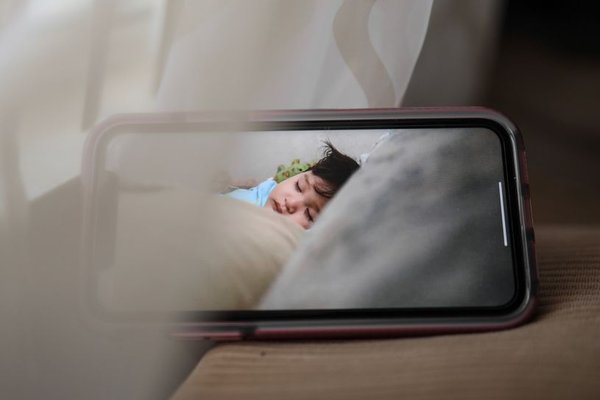
Smart baby monitors are no longer just cameras with phone apps. In 2026, leading models combine sharp video, sleep tracking, smart alerts, remote access and, in some cases, breathing or oxygen monitoring. That can make a baby registry decision unnecessarily complicated.
The best choice depends on what you want to check at 2 a.m. Do you need an overhead crib view, wellness readings, a dedicated screen that works without Wi-Fi, or excellent video without a subscription? These four options cover those priorities.
Quick verdict: which smart baby monitor is worth it?
Nanit is the best all-round choice for useful sleep tracking and an overhead view. Owlet is strongest for families specifically interested in pulse rate and oxygen readings. Philips Avent Premium Connected suits parents who want smart features plus a dedicated parent unit. Eufy E21 offers excellent value for buyers prioritising 4K video, local viewing and travel flexibility.
No consumer monitor should replace direct supervision or safe-sleep practices. A monitor that tracks breathing or oxygen is not proven to prevent SIDS, and alerts should never create a false sense of security.
Nanit Smart Baby Monitor: best for sleep tracking
Nanit’s biggest advantage is its overhead perspective. With the wall mount or floor stand above the crib, the 1080p camera provides a bird’s-eye view instead of a narrow side angle. That position also supports sleep tracking, live sleep status and sensor-free breathing-motion monitoring when used with patterned Breathing Wear.
Parents get two-way audio, night vision, sound and motion notifications, temperature and humidity readings, and remote viewing through the app. Core monitoring works without a paid plan, although deeper sleep history, coaching and some advanced alerts require Nanit Insights.
Nanit suits parents who enjoy data but do not want an electronic sensor attached to their baby. For example, if a baby begins waking every 45 minutes after midnight, the sleep summaries may show whether the pattern started after a late nap or changed bedtime. The data will not solve sleep, but it can make routine adjustments more informed.
Best for
Parents who value sleep insights, a full crib view and a polished app.
Main drawback
The best analytics require a subscription, and a fixed overhead setup is less convenient for travel.
Owlet Dream Duo: best for live wellness readings
The Nanit vs Owlet decision comes down to what you want measured. Nanit analyses crib activity and breathing motion through its camera. Owlet Dream Duo pairs a video baby monitor with the FDA-cleared Dream Sock, which tracks pulse rate, oxygen and sleep for eligible infants and sends health notifications through the Owlet app.
Owlet therefore appeals to parents who want live wellness data rather than camera-based sleep analytics alone. The system brings video, cry and motion alerts, sleep trends and sock readings into one ecosystem. Some families find that reassuring; others may find that extra data encourages repeated checking.
Owlet is not a substitute for medical care. Follow its age and fit guidance, discuss health concerns with a paediatrician and respond to the baby rather than relying only on an app reading.
Best for
Parents who intentionally want pulse-rate and oxygen information and are comfortable using a wearable sock.
Main drawback
It is a premium system, requires correct sock placement and may provide more data than some families want.
Philips Avent Premium Connected: best hybrid monitor
A common weakness of a WiFi baby monitor is that every check depends on a phone, an app and a stable connection. Philips Avent solves this by including a rechargeable 5-inch parent unit while also supporting remote access through the Baby Monitor+ app.
The full-HD camera provides night vision, while SenseIQ offers wearable-free sleep-status and breathing-rate information. The parent unit can work without Wi-Fi, which is useful during internet outages or when a babysitter does not need phone access. Philips also uses encrypted links between the baby unit, parent unit and app through its Secure Connect system.
This is a sensible registry choice for parents who want modern tracking without committing to phone-only monitoring.
Best for
Families who want a dedicated display, app access and wearable-free tracking.
Main drawback
It is less established as a sleep-coaching platform than Nanit, and some extras may have limited trial access.
Eufy Baby Monitor E21: best video and value
Eufy E21 focuses on features parents notice daily: 4K video, a 5-inch display, pan-and-tilt control, strong zoom, split-screen support and app access. It can operate locally without Wi-Fi, and a physical switch can disable Wi-Fi when remote viewing is unnecessary.
The battery-powered camera is practical for travel. You can move it between the nursery, living room and a grandparent’s house without rebuilding a fixed setup. It also supports local recording and alerts for crying, loud sound and temperature changes.
Eufy is not the most advanced sleep tracking monitor here. It is better for parents who want excellent video and flexible monitoring without paying mainly for coaching, breathing analytics or health readings.
Best for
Value-conscious families, frequent travellers and parents who prefer a dedicated screen.
Main drawback
Its sleep insights are more limited than Nanit’s, and its alerts are simpler than Owlet’s health-focused system.
How to choose without overbuying
Start with your real routine. For a fixed nursery and a parent who likes reviewing sleep patterns, Nanit earns its premium. For families seeking pulse and oxygen readings, Owlet is the clearer fit. For shared caregiving and dependable in-home viewing, Philips offers the most balanced hybrid design. For travel, crisp video and local privacy controls, Eufy provides excellent value.
Include mounts, wearables, replacement parts and subscriptions in the total cost. A cheaper camera can become expensive after add-ons, while a premium bundle may include features you never use. Related guides on baby registry essentials, safe nursery setup and newborn sleep routines can help shape the final list.
Frequently asked questions
Do smart baby monitors work without Wi-Fi?
Some do. Philips Avent and Eufy include parent units that can maintain local monitoring without internet access. App-based remote viewing generally requires Wi-Fi or mobile data. Nanit and Owlet depend more heavily on connected apps.
Is a sleep tracking monitor accurate?
It can help identify patterns such as wake-ups, naps and time asleep, but it is a parenting aid rather than a clinical assessment. Camera angle, movement and setup can affect results.
Which is better, Nanit or Owlet?
Choose Nanit for overhead video, breathing-motion monitoring and detailed sleep insights. Choose Owlet when live pulse-rate and oxygen readings are the priority and you are comfortable with a wearable sock.
Can a smart baby monitor prevent SIDS?
No. Regulators and paediatric guidance state that baby monitors are not proven to prevent SIDS. Follow evidence-based safe-sleep practices, including placing a baby on their back on a firm, flat surface with no loose bedding or soft objects.
Final recommendation
For most first-time parents, Nanit offers the most useful mix of video quality, sleep tracking and usability. Owlet is worth the higher commitment when wellness readings are a deliberate priority, while Philips is the strongest phone-plus-parent-unit option. Eufy is the smart buy for superb video, local control. The best smart baby monitor is the one that supports your routine without turning every nap into another stream of data to worry about.