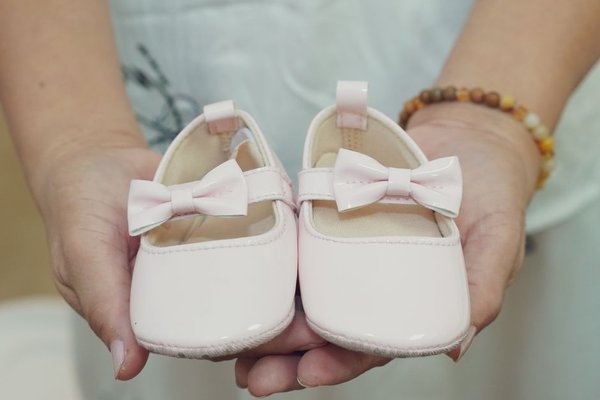
Buying a baby’s first pair of shoes can feel like a milestone in its own right. Tiny trainers are appealing, but babies do not need structured footwear simply because they can pull themselves up or take one or two supported steps. The better question is not how old your baby is, but how confidently and regularly they are walking, especially outdoors.
So, when do babies need their first shoes? Proper shoes usually become useful once a baby is walking independently and needs protection from cold, rough, wet or unsafe outdoor surfaces. Until then, bare feet or well-fitting socks and bootees are normally enough indoors, giving developing feet freedom to move, grip and respond to the floor.
Use the walking milestone, not the calendar
Babies reach physical milestones at different times. Some start walking before their first birthday, while others take longer, and that variation is often normal. Buying shoes according to age alone can mean putting a baby into structured footwear before it serves a practical purpose.
While your baby is learning to stand, cruise along furniture or practise early steps at home, going barefoot on a safe surface is generally helpful. It allows them to feel textures underfoot and use their toes naturally as they work on balance. Shoes do not teach a baby to walk, and a stiff or bulky pair may make those first movements more awkward.
Once independent walking is established, shoes can be introduced for outdoor trips. At first, they may only be needed for short periods. Indoors, your new walker can usually continue barefoot where the floor is warm, clean and free from hazards.
What should babies wear before proper shoes?
For a baby who is not yet walking independently, footwear is mainly about warmth and protection rather than support. Socks, roomy bootees and soft sole shoes can work well in a pram or outdoors, provided they do not squeeze the toes or leave marks around the ankle.
The term barefoot baby shoes is often used for flexible, foot-shaped styles that imitate the freedom of being barefoot. These may be useful when light protection is needed without a rigid sole. Even soft footwear must fit correctly, however. Check that the toes can spread and make sure elastic, seams or tight socks are not pressing into the skin.
How to choose first walking shoes
The best first walking shoes are comfortable from the moment they are put on. They should protect the foot while allowing natural movement, rather than forcing it into a narrow or heavily moulded shape.
Look for a wide, rounded toe area
A young child’s foot is usually broader across the toes and narrower at the heel than an adult foot. Choose enough width and depth for the toes to lie naturally rather than being pushed together. The upper should not press on the foot, and the heel should feel secure without rubbing.
Choose a flexible, grippy sole
Soft sole shoes are often suitable during the transition to outdoor walking, but the sole still needs enough grip to reduce slipping. It should bend around the forefoot rather than feeling rigid. Avoid footwear that is so loose that the child has to curl their toes to keep it on.
Use a secure fastening
Velcro straps, laces or buckles help hold the heel in place and stop the foot sliding forwards. Slip-on shoes may look convenient, but they can move around if the fit is not exact. Open the fastening fully before putting the shoe on or taking it off instead of forcing the foot through.
Prioritise breathable materials
Leather, canvas and other breathable materials can help reduce heat and moisture. Pair them with socks that fit smoothly without bunching. Plastic fashion shoes, heavy boots and rigid trainers are rarely the best everyday choice for a brand-new walker.
Baby shoe sizing: why measurement matters
Baby shoe sizing is not consistent across every brand, so the number on the box is only a starting point. Ideally, have both feet measured for length and width by a trained fitter, because one foot may be slightly larger than the other.
There should be growing room in front of the longest toe, but not so much that the heel lifts or the child trips. The shoe should stay secure when your child walks or rises onto their toes. Check for redness, rubbing, blisters or pressure marks after wear, as babies may not be able to explain that a shoe feels tight.
Young children’s feet grow quickly, so review the fit regularly rather than waiting for the shoes to look worn out. Feel the toe position while the child is standing or return to a fitter for another measurement. Socks and tights also need checking because a tight sock can restrict the toes just as an undersized shoe can.
Common first-shoe mistakes to avoid
Buying far ahead in a larger size may seem economical, but oversized shoes can slide, rub and interfere with steady walking. Another mistake is assuming shoes need to be broken in. First shoes should feel comfortable immediately; persistent rubbing usually signals the wrong shape or fit.
Second-hand shoes may have moulded to another child’s foot or become unevenly worn. When possible, choose a properly fitted new pair for regular walking. Wellies, sandals and occasion shoes can still be useful, but match the footwear to the activity.
When to ask for professional advice
Many new walkers have a wide stance, look unsteady or occasionally walk on their toes while learning. Speak to your health visitor, GP, physiotherapist or podiatrist if your child seems to be in pain, repeatedly trips, refuses to put weight on a foot, develops persistent pressure marks, or if you are worried about their walking development. Children who use orthotics or have a diagnosed foot condition may need individual advice.
Frequently asked questions
Do babies need shoes when they start standing?
No. A baby who is pulling up or standing at home usually benefits from bare feet on a safe, firm surface. Shoes are mainly needed when protection or warmth is required outside.
Should first walking shoes have hard or soft soles?
A flexible sole with suitable grip is generally a good choice for a new walker. It should protect against the ground without being excessively stiff or heavy.
Can a baby wear shoes all day?
Usually there is no need. Use shoes outdoors when necessary, then remove them indoors where it is safe and warm so the feet can move freely.
How often should baby shoes be checked?
Check the fit every few weeks and whenever you notice marks, rubbing, heel slipping or changes in walking. Fast-growing feet may need remeasurement sooner than expected.
A practical first step
The answer to when do babies need their first shoes is reassuringly simple: wait until your baby is walking independently and footwear has a real job to do. Keep them barefoot indoors when safe, choose light and flexible protection for early outdoor steps, and focus on fit rather than fashion. A roomy toe area, secure fastening and regular size checks will do far more for comfort than a heavily structured or expensive design.