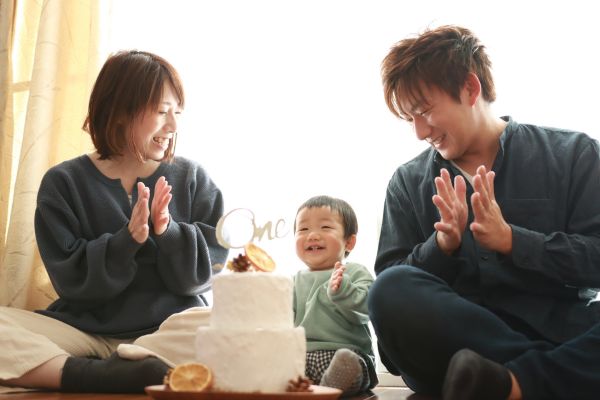
A baby’s first birthday feels like a celebration of one small year, but it also marks the closing of an extraordinary chapter. The newborn clothes have been folded away, the first smiles have become familiar, and the tiny baby who once slept through family gatherings may now be crawling across the floor, waving at strangers, or trying to steal a piece of birthday cake.
Amid the balloons, photographs, and well-meaning relatives, a baby’s first birthday time capsule offers a quieter way to remember the day. It gathers the little details that might otherwise disappear: the songs everyone was humming, the price of everyday things, the baby’s favorite toy, and the hopes loved ones carried for the future.
Unlike a traditional scrapbook, a time capsule is created with distance in mind. It is meant to be closed, stored, and opened years later. That simple promise makes ordinary objects feel surprisingly meaningful.
Why the First Birthday Is the Perfect Moment
The first year contains more change than almost any other period of childhood. A baby arrives unable to sit, speak, or recognize the rhythm of family life. Twelve months later, that same child may understand familiar words, respond to a name, and show clear preferences about food, people, and bedtime.
Creating a baby’s first birthday time capsule captures this brief stage before memory becomes more permanent. The child will not remember the celebration firsthand, but the capsule can preserve what the day felt like for everyone else.
It also gives parents a reason to pause. First birthdays can become busy events filled with planning, cleaning, decorating, and greeting guests. Collecting a few meaningful objects encourages the family to notice the emotional weight of the milestone rather than rushing through it.
The result is not simply a box of keepsakes. It becomes a message from one version of the family to another.
Choosing When the Capsule Will Be Opened
Before deciding what to place inside, choose an opening date. This gives the project a sense of purpose and helps determine which items will be most interesting later.
Some families open the capsule on the child’s tenth birthday, when they are old enough to understand the objects but still close to childhood. Others wait until the sixteenth or eighteenth birthday, creating a meaningful transition into greater independence.
Opening it at age twenty-one, graduation, or another major milestone can make the contents feel even more distant. A simple birthday card from the first year may carry unexpected emotional power after two decades.
There is no perfect date. The best choice depends on the family and how long the capsule can be safely stored. Whatever date is selected, write it clearly on the outside. Otherwise, curiosity has a way of weakening even the strongest intentions.
Finding the Right Container
The container should protect the contents without making the project overly complicated. A sturdy archival box, metal tin, wooden chest, or sealed plastic container can all work, depending on where it will be kept.
Avoid cardboard boxes if the capsule will be stored in a garage, basement, or attic. Moisture, insects, and temperature changes can damage paper, fabric, and photographs. A dry indoor cupboard is usually a safer location.
Wrap fragile items separately and place important documents in acid-free sleeves or sealed folders. Printed photographs should be stored away from direct contact with materials that may transfer ink or moisture.
A decorative container can make the capsule feel special, but durability matters more than appearance. Years later, no one will care whether the box matched the birthday decorations. They will care that the letters are readable and the photographs survived.
Writing a Letter to the Future
A personal letter is often the most meaningful part of a baby’s first birthday time capsule. Objects provide context, but words preserve emotion.
Parents can write about the first year as it truly felt, including the joy, exhaustion, uncertainty, and small routines that shaped daily life. Describe the baby’s personality at twelve months. Mention what makes them laugh, how they react to strangers, which foods they refuse, and what they do when they are tired.
It is also worth recording moments that may seem too ordinary to remember. Perhaps the baby kicks excitedly during bath time, falls asleep only while being carried, or points at the ceiling fan every morning. These details often fade first.
The letter does not need to sound poetic or profound. Honest writing will feel more valuable in the future than carefully polished sentences. A simple description of an ordinary afternoon may one day bring the past back with surprising clarity.
Inviting Family and Friends to Contribute
A first birthday brings together people who may know the child in very different ways. Grandparents, aunts, uncles, family friends, and older siblings can each add a short note to the capsule.
They might write about their first impression of the baby, a favorite memory from the first year, or a hope for the child’s future. Young cousins can draw pictures. Older relatives may share a piece of family history or describe what the parents were like as children.
These messages become especially valuable as time passes. Relationships change, people move away, and some voices may no longer be present when the capsule is opened.
Encourage contributors to write naturally rather than offering only broad wishes such as happiness and success. A specific memory, funny observation, or personal story will feel far more vivid years later.
Preserving the Story of the First Year
A time capsule should reflect the baby’s first year, not only the birthday party. Small keepsakes can help tell that larger story.
A hospital bracelet, copied birth announcement, first pair of socks, favorite bib, or photograph of the nursery may represent the earliest months. A monthly photo collage can show how quickly the baby changed. Copies are often better than original items, especially when something holds legal, medical, or sentimental importance.
A list of firsts also adds context. Record when the baby smiled, rolled over, sat independently, crawled, stood, or said a recognizable word. The dates do not have to be exact. Even approximate memories can create a useful timeline.
Parents can include a short description of everyday life, such as the baby’s usual bedtime, favorite meal, most-loved book, or current nickname. These tiny facts rarely appear in formal records, yet they are exactly what families enjoy rediscovering.
Capturing the World Outside the Family
One of the most fascinating parts of a baby’s first birthday time capsule is the chance to preserve the wider world as it existed on that day.
Include the front page of a newspaper, a printed selection of major headlines, or a short summary of important events from the year. Record the popular films, television programs, songs, books, and public figures that shaped the cultural moment.
Everyday prices can also be interesting. Note the cost of milk, bread, fuel, a family meal, or a common household item. Write down the current price of a postage stamp or the average cost of a birthday gift.
Technology changes quickly, so describe the phones, apps, and devices people use. Something that feels completely ordinary now may seem strange or charming when the capsule is opened.
Keep this section selective. The goal is not to document the entire year. A few recognizable details are enough to place the family’s story within a particular moment in time.
Adding Birthday Memories Without Overfilling the Box
The birthday celebration itself deserves a place in the capsule. Include a printed invitation, a photograph of the cake, a copy of the menu, or a small piece of ribbon from the decorations.
A party hat, candle, or clean section of wrapping paper can also work. If the child received a particularly meaningful card, place a copy inside and keep the original with other family records.
Write a short account of the day while the details are fresh. Mention who attended, what the weather was like, how the baby reacted to the singing, and whether the cake was enjoyed, ignored, or thrown across the room.
These imperfect details are what make the memory feel real. A carefully staged photograph may show a beautiful party, but a written note about the baby crying during the birthday song tells the fuller story.
Including a Snapshot of the Baby’s Personality
At one year old, personality is already beginning to emerge. Some babies are cautious observers, while others approach every new object with confidence. Some love music, animals, water, or noisy games. Others prefer familiar faces and quiet corners.
Write a short personality portrait. Describe the expressions the baby makes, the sounds they use, and the situations that bring delight or frustration. Mention favorite people, comfort objects, and daily habits.
You could also include a handprint or footprint made with baby-safe ink. A traced outline of the hand is an easier alternative and still offers a clear sense of size.
Photographs often show appearance, but personality needs words. This section helps the future child understand who they were before they could describe themselves.
Keeping Digital Memories Accessible
Families now create thousands of digital photographs and videos, yet digital files can be surprisingly fragile. Devices break, storage services change, and passwords are forgotten.
A USB drive may seem like a useful addition, but technology can become outdated. It is safer to include printed photographs and written descriptions alongside any digital storage.
Create a clearly named folder containing selected videos, voice recordings, and photographs. Store copies in more than one secure location. Inside the capsule, include instructions explaining where the digital files were saved and how they were organized.
A short video of the baby laughing, babbling, or taking early steps may become one of the most treasured parts of the collection. The sound of a baby’s voice can revive memories in a way that still photographs cannot.
Making the Capsule Meaningful Rather Than Perfect
It is easy to turn a sentimental project into another first-birthday task that must look flawless. That pressure misses the point.
A baby’s first birthday time capsule does not need matching stationery, professional photographs, or a perfectly decorated box. It needs honesty, context, and a few carefully chosen pieces of family life.
Leave room for imperfection. Include the blurry photograph everyone loves, the handwritten note with crossed-out words, and the story that still makes the family laugh. These details carry warmth because they were not manufactured for display.
The most valuable capsule is not necessarily the fullest one. A small collection of meaningful items will usually feel more powerful than a box crowded with objects no one can explain.
A Gift That Grows More Valuable With Time
A first birthday time capsule begins as a collection of recent memories. With each passing year, however, those memories become more distant, and the capsule quietly gains meaning.
When it is finally opened, the child will discover more than old photographs and tiny clothes. They will see how deeply they were noticed, celebrated, and loved before they were old enough to remember it.
That is the real purpose of a baby’s first birthday time capsule. It preserves not only what the world looked like, but also how one family felt at the end of a remarkable first year. Long after the balloons have deflated and the cake has disappeared, the capsule remains—a patient little bridge between the baby everyone knew and the person they eventually became.