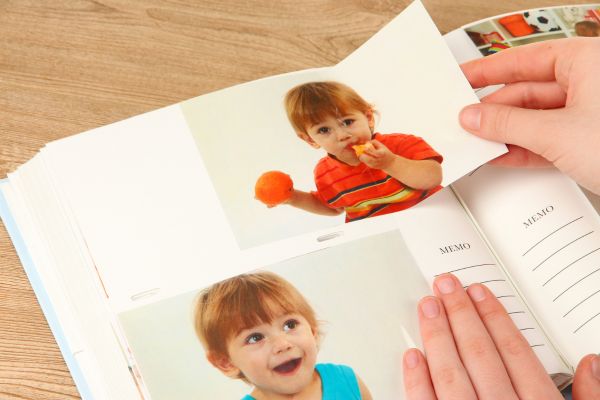
A baby’s first year is full of moments that seem impossible to forget. The first sleepy smile, the tiny fingers wrapped around yours, the sound of an early laugh, and the day a cautious crawl suddenly turns into determined movement across the room all feel unforgettable in the moment. Yet time has a quiet way of softening details.
That is why baby memory books remain so meaningful. They give parents a place to collect the small stories that photographs alone cannot fully explain. The most memorable books are not always the most elaborate. They are the ones filled with personality, honest observations, and details that could only belong to one particular child.
Exploring unique baby memory book ideas can help turn a traditional keepsake into something more personal, relaxed, and enjoyable to complete. Instead of treating the book like another parenting task, it can become an ongoing conversation with the future.
Write Letters for Different Stages of Life
One of the most personal additions to a baby memory book is a collection of letters written for the child to read later. These letters can capture feelings that may be difficult to remember or express years from now.
A first letter might describe the day the baby was born, including the atmosphere in the room, the first thought that came to mind, and the emotions of finally meeting. Later letters could be written on the first birthday, the first day of school, or any ordinary evening when parenthood feels especially tender.
The writing does not need to be formal or poetic. In fact, simple honesty often feels more powerful. A short note about how the baby calmed down when hearing a familiar song may eventually mean more than a perfectly polished page.
Letters can also be written by grandparents, siblings, godparents, or close family friends. Each voice adds another layer to the child’s story.
Capture Ordinary Days, Not Just Major Milestones
Traditional baby books often focus on obvious firsts, such as the first tooth, first step, or first word. These moments matter, but everyday routines can be just as precious.
A page describing a normal morning might include the time the baby usually wakes, the funny expression made during breakfast, the favorite toy carried from room to room, or the way bath time always ends with water on the floor. These details may seem ordinary now, but they are often the first things families wish they could remember clearly.
Consider recording one complete day every few months. Write down what happened from morning until bedtime, including meals, naps, errands, cuddles, and minor disasters. There is no need to make the day sound more exciting than it was. The beauty is in its normality.
Years later, those pages can offer a vivid glimpse into family life at a particular moment.
Create a Page for Funny Habits and Expressions
Babies develop quirks surprisingly early. One child may kick both feet whenever excited, while another may stare seriously at ceiling fans. Some babies make a particular sound when they are hungry or wrinkle their noses before laughing.
A memory book can include pages dedicated to these little habits. Add short descriptions, photographs, and the approximate age when each behavior appeared. Continue updating the page as new expressions and routines emerge.
Early words deserve special attention too. Rather than recording only the first official word, write down the charming ways the child pronounces familiar names or objects. A toddler’s invented language may disappear quickly once speech becomes clearer.
These imperfect words and gestures often reveal more personality than formal milestones. They make a memory book feel alive rather than simply factual.
Include the Story Behind Important Photographs
A photograph preserves an image, but it does not always preserve the story surrounding it. A smiling baby in a yellow sweater may look adorable years later, yet no one may remember that the picture was taken after twenty minutes of fussing and one unexpectedly successful game of peekaboo.
Adding brief captions can give photographs emotional context. Write about who took the picture, where the family was, what happened immediately before it, and why the moment stood out.
Not every image needs a long explanation. A few handwritten lines may be enough. The point is to capture what cannot be seen in the photograph.
Blurry images can be included too. Some of the most meaningful photographs are imperfect because they capture movement, laughter, or a moment that happened too quickly to stage.
Preserve Tiny Pieces of Everyday Life
Baby keepsakes often include hospital bracelets, birth announcements, and locks of hair. These are lovely, but everyday objects can be equally meaningful.
A small piece of fabric from a favorite outgrown outfit, the tag from a much-loved stuffed toy, or a copy of a handwritten feeding schedule can bring back vivid memories. A pressed flower from the baby’s first family picnic may add another quiet detail.
Flat objects can be placed in envelopes attached to the pages. Bulkier keepsakes can be photographed and documented instead. This keeps the book manageable while still preserving the memory.
It is also worth writing a sentence or two about why each object mattered. Without context, a small scrap of fabric may lose its meaning. With a note, it becomes part of a story.
Record the World the Baby Was Born Into
A baby memory book can offer a snapshot not only of the child but also of the wider world at the time of birth.
Include details about the family home, the neighborhood, popular songs, favorite television programs, common expressions, and the season’s weather. Write about what everyday technology looked like, which family traditions were important, and what topics people often discussed.
The aim is not to create a formal history lesson. Small cultural details are enough to show what life felt like. A child may someday find it fascinating to learn what groceries cost, which song played repeatedly in the car, or how relatives shared the birth announcement.
This section can make the memory book especially meaningful decades later, when ordinary details have changed.
Add Family Recipes and Food Memories
Food becomes part of family identity long before a child can understand it. Recipes passed through generations, meals served at celebrations, and familiar kitchen smells all contribute to a sense of home.
A baby memory book can include handwritten family recipes, especially those connected to the child’s first years. Perhaps a grandparent prepared a certain soup during the early weeks, or a homemade cake became part of the first birthday celebration.
As the baby begins eating solid foods, record reactions to new flavors. Include the first favorite food, the meal that ended up everywhere except the mouth, and any surprising dislikes.
These pages can eventually become more than memories. They may also preserve family traditions the child can recreate later.
Invite Loved Ones to Contribute Personal Pages
A memory book does not need to reflect only the parents’ perspective. Inviting relatives and close friends to contribute can create a richer portrait of the baby’s early life.
Each person might write about the first time they met the child, a hope for the future, or a trait they already recognize. Older siblings can draw pictures, add stickers, or dictate a short message.
Different handwriting styles and voices make the book feel communal. They show the child how many people were present at the beginning of the story.
Contributions do not need to be perfectly coordinated. A slightly messy page created by a young sibling may become one of the most treasured parts of the entire book.
Document Parental Memories and Feelings
Baby memory books often focus so completely on the child that the parents’ transformation is left out. Yet the experience of becoming a parent is an important part of the family story.
Write about the early days honestly. Record what felt joyful, surprising, difficult, or funny. Mention the routines that helped, the advice that proved useful, and the moments when everything felt uncertain.
There is no need to present a flawless version of parenthood. A truthful note about exhaustion, worry, or learning through mistakes can make the book more genuine. It may also offer comfort to the child if they become a parent one day.
Including both tenderness and challenge creates a fuller picture of the period.
Use Monthly Themes Instead of Standard Updates
Monthly pages are common in baby books, but they do not have to follow the same format every time. Rather than repeating height, weight, and milestones, each month can explore a different theme.
One month might focus on sounds and music. Another could capture bedtime routines, favorite places, relationships with family members, or new discoveries. Seasonal themes can document the child’s first spring rain, summer evening, autumn walk, or winter celebration.
This approach reduces repetition and encourages more creative observations. It also makes each section feel distinct while still showing how quickly the baby changes.
The book becomes less like a record chart and more like a collection of miniature stories.
Leave Space for Memories That Have Not Happened Yet
A memory book does not need to be completed in strict order. Leaving blank pages can remove pressure and allow unexpected moments to find a place later.
Some memories will not fit neatly into a prepared category. There may be a spontaneous trip, an emotional family reunion, a favorite game, or a quiet afternoon that suddenly feels worth preserving.
Blank pages also allow older children to participate in the book. A child might later add a drawing, respond to a letter, or write what they think about their baby photographs.
This makes the book feel like a continuing family object rather than something sealed after the first birthday.
A Keepsake Made Meaningful by Small Details
The most lasting baby memory books are not necessarily the ones with perfect handwriting, matching photographs, or beautifully arranged pages. They are the ones that capture a real child and the people who loved that child from the beginning.
Unique baby memory book ideas work best when they make space for ordinary routines, funny habits, family voices, honest emotions, and the small details that time tends to erase first. A few sentences written in the middle of a busy week can become surprisingly powerful years later.
The finished book does not need to look flawless. It only needs to feel true. In the end, its value comes from preserving not just what happened, but what those early days felt like while they were still unfolding.