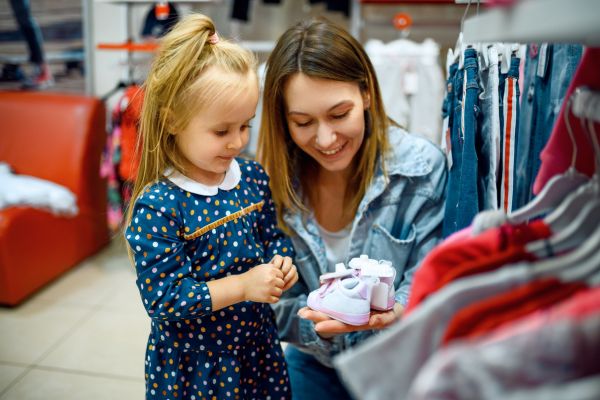
Preparing for a baby often begins with excitement, curiosity, and an overwhelming number of shopping lists. One minute parents are looking at tiny socks and soft blankets, and the next they are comparing stroller wheels, car seat safety ratings, and the differences between bassinets they never knew existed before.
That is where a thoughtful baby gear buying guide becomes genuinely useful.
The modern baby market is enormous. There are products designed for sleep, feeding, transportation, soothing, bathing, monitoring, carrying, organizing, and just about every imaginable parenting situation. Some items become daily essentials. Others are used twice before quietly disappearing into storage closets.
For many parents, especially first-time ones, the hardest part is figuring out what actually matters.
The truth is that babies need far less than marketing often suggests. Comfort, safety, practicality, and ease of use matter much more than perfectly curated nursery aesthetics or trendy gadgets. The goal is not to buy everything available. It is to build a setup that supports real daily life once the baby arrives.
And daily life with a newborn usually looks far less polished than anyone expects.
Why Baby Gear Shopping Feels So Overwhelming
There is something uniquely emotional about shopping for baby items.
Parents are not only purchasing products. They are preparing for an entirely new phase of life. That emotional weight makes even simple decisions feel surprisingly important. Suddenly, choosing a stroller or crib can feel connected to questions about safety, comfort, parenting style, and doing things “right.”
Then comes the endless information.
Reviews conflict with each other. Social media showcases expensive nursery setups. Friends recommend completely different products based on their own experiences. Every item seems marketed as essential, even when many families function perfectly well without it.
This overload is exactly why a grounded baby gear buying guide matters.
The most useful baby products are usually the ones that solve everyday problems simply and reliably. Ease of cleaning, portability, storage space, durability, and comfort tend to matter much more than flashy features after the first few weeks.
Parents often discover this only after the baby arrives.
Safety Should Always Come First
Among all the emotions and excitement surrounding baby shopping, safety remains the most important consideration.
Some baby gear categories deserve especially careful attention, including car seats, cribs, bassinets, and sleep products. Safety standards exist for a reason, and understanding them helps parents make more confident decisions.
Car seats, for example, are not really optional purchases. They are one of the first major pieces of gear many parents use before even bringing the baby home. Proper installation matters just as much as choosing the seat itself, which is why many parents spend time learning installation basics ahead of delivery day.
Sleep-related products also deserve careful thought.
Many new parents are tempted by soft bedding, decorative crib accessories, or heavily padded sleep items because they look cozy. In reality, safe sleep guidelines usually emphasize simplicity instead. Babies need firm, flat sleep surfaces without unnecessary extras.
This part of baby shopping sometimes feels less exciting than cute outfits or nursery decorations, but it quietly matters most.
Strollers Become Part of Daily Life
Few baby products affect everyday routines as much as strollers do.
At first glance, stroller shopping can seem strangely complicated. Lightweight travel strollers, jogging strollers, full-size systems, convertible models, compact city designs, and all-terrain options quickly blur together during research.
The best stroller depends heavily on lifestyle.
Parents living in walkable cities often prioritize lightweight designs and easy folding systems because stairs, sidewalks, and public transportation shape daily routines. Families who spend more time driving may focus on trunk space compatibility and quick car seat attachment systems.
Some parents love large strollers with storage baskets big enough for groceries and diaper bags. Others prefer minimal designs that feel easier to maneuver through crowded areas.
There is rarely one universally perfect choice.
A stroller tends to become part of a family’s daily rhythm, which means convenience matters more over time than flashy features noticed in stores.
Baby Carriers Change How Parents Move
Baby carriers often surprise parents with how useful they become.
While strollers are incredibly practical, there are situations where carrying a baby simply works better. Grocery shopping, airport travel, short walks, household chores, or soothing a fussy newborn often feel easier with a comfortable carrier.
Some babies also strongly prefer being held close during the early months.
Soft wraps, structured carriers, ring slings, and hybrid designs all offer slightly different experiences. What feels comfortable for one parent may feel awkward for another, especially depending on body type, climate, and baby size.
Warm weather, for example, changes carrier preferences quickly. Thick padded carriers may feel too hot during summer, while breathable fabrics become much more comfortable.
The emotional side matters too.
Many parents describe babywearing as one of the most calming parts of early parenting because it allows closeness while still keeping hands free for everyday tasks.
Feeding Gear Often Evolves Over Time
One thing many new parents learn quickly is that feeding routines rarely unfold exactly as expected.
Because of that, it often helps to avoid overbuying feeding products too early. Bottles, breast pumps, sterilizers, formula systems, and feeding accessories all depend heavily on individual circumstances and the baby’s preferences.
Some babies adapt easily to almost any bottle style. Others become unexpectedly selective.
Parents who plan to breastfeed may still end up using bottles occasionally. Formula-feeding parents may discover certain bottle shapes reduce gas or feeding discomfort better than others.
Flexibility becomes important.
The most practical baby gear buying guide usually encourages parents to start with basics first, then adjust gradually as routines become clearer. Buying massive quantities of one specific feeding system before birth sometimes creates unnecessary stress later.
Babies tend to have their own opinions surprisingly early.
Diapering Products Should Prioritize Convenience
Diapering quickly becomes one of the most repeated parts of newborn life.
Because it happens so frequently, convenience matters far more than aesthetics in this category. A beautiful diaper bag that feels awkward to organize may become frustrating very quickly. The same goes for complicated changing setups that look impressive but slow everything down during sleep-deprived mornings.
Parents usually appreciate products that simplify cleanup, organization, and mobility.
Portable changing pads, easy-access wipes storage, and practical diaper disposal systems often end up feeling more valuable than trend-focused nursery accessories.
There is also the ongoing disposable versus cloth diaper discussion, which tends to become deeply personal depending on lifestyle, budget, and comfort level.
Most families eventually settle into systems that work practically for their own routines rather than following idealized parenting expectations perfectly.
Nursery Furniture Does Not Need to Be Excessive
Nursery planning often creates pressure to design perfectly styled rooms before the baby arrives.
In reality, newborns are remarkably unconcerned with interior design.
The most important nursery elements are usually simple: a safe sleep space, organized storage, comfortable feeding seating, and practical lighting for nighttime care. Beyond that, many decorative extras become more meaningful for parents than for babies themselves.
Some families invest heavily in fully coordinated nursery furniture sets. Others create simpler setups that evolve gradually over time.
Both approaches can work perfectly well.
A calm, functional environment often matters more than having every trendy nursery item displayed online. Babies mostly need closeness, consistency, feeding, sleep, and comfort during the early months.
The rest tends to develop naturally over time.
Travel and Portability Matter More Than Expected
One thing that surprises many parents is how quickly baby gear expands into everyday transportation logistics.
Suddenly, trunk space matters. Folding systems matter. Weight matters. Carry handles matter.
Products that seem manageable inside stores sometimes feel entirely different while loading them into cars, carrying them upstairs, or packing them for trips.
Portable gear often becomes especially valuable for families who travel frequently or spend time visiting relatives. Lightweight bassinets, compact strollers, travel cribs, and foldable high chairs help simplify movement between locations.
Even small differences in portability can dramatically affect daily convenience.
This is why many experienced parents recommend testing gear physically whenever possible instead of relying entirely on online photos or specifications.
Babies Outgrow Things Faster Than Expected
Perhaps the most important thing any baby gear buying guide can acknowledge is how temporary many products actually are.
Babies grow incredibly quickly. Some items remain useful for years, while others last only a few months before becoming unnecessary.
That reality often changes how parents approach shopping.
Versatile products that adapt over time sometimes provide better long-term value than highly specialized gear designed for narrow stages. Adjustable high chairs, convertible cribs, or strollers that grow with toddlers tend to stay useful longer.
At the same time, not every item needs to last forever either.
Sometimes short-term convenience during exhausting newborn months is valuable enough on its own.
Parenting involves constantly balancing practicality, budget, comfort, and emotional reassurance. No single shopping strategy works perfectly for every family.
Conclusion
Preparing for a baby often brings excitement mixed with uncertainty, and the endless world of baby products can easily become overwhelming. A thoughtful baby gear buying guide helps simplify that process by focusing on what truly supports daily life rather than chasing every trend or marketing promise.
Safety, comfort, convenience, and flexibility usually matter far more than perfectly curated setups or expensive extras. Strollers, car seats, feeding products, carriers, diapering essentials, and sleep spaces all play important roles, but the best choices depend heavily on individual lifestyles and family needs.
Over time, most parents discover that practical products quietly become the most valuable ones. Gear that saves time, reduces stress, and adapts naturally to everyday routines tends to matter far more than products that simply look impressive at first.
In the end, babies do not need perfect nurseries or endless equipment. They mostly need comfort, care, safety, and responsive parents learning alongside them day by day.