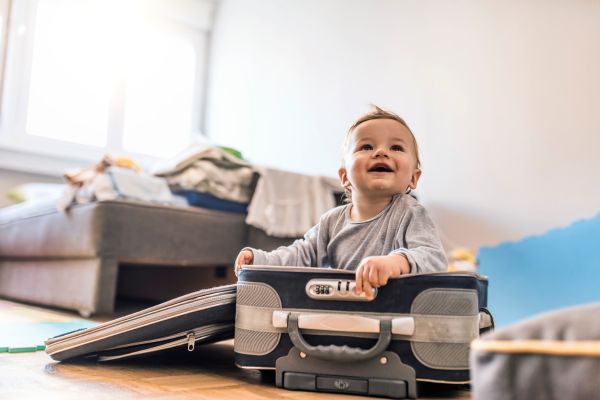
Traveling with a baby can feel like a big leap into the unknown. Parents who once packed a backpack and boarded a plane without a second thought suddenly find themselves calculating nap schedules, stroller space, and the nearest pharmacy. Yet the idea that travel must pause after having a child is slowly fading. Around the world, many destinations are surprisingly welcoming for families with infants, offering safe environments, convenient facilities, and relaxing experiences that work well for parents and babies alike.
Exploring baby-friendly travel destinations isn’t about finding places with endless attractions or fast-paced itineraries. Instead, it’s about choosing environments where comfort, accessibility, and calm surroundings make travel enjoyable rather than stressful. With thoughtful planning and realistic expectations, traveling with a baby can become one of the most rewarding ways to create early family memories.
Why Baby-Friendly Travel Matters for New Parents
The first trips with a baby often shape how families view travel in the years ahead. When the destination supports parents’ needs—easy transportation, quiet spaces, and child-friendly amenities—the entire experience becomes smoother.
Babies, especially during their first year, are sensitive to sudden changes in routine. Long travel days, noisy environments, or unpredictable weather can quickly lead to overtired infants and exhausted parents. This is why baby-friendly travel destinations focus less on entertainment and more on convenience and comfort.
Cities with walkable streets, reliable healthcare services, family-friendly accommodations, and accessible parks tend to work best. These elements create a supportive atmosphere where parents can explore without constantly worrying about their baby’s needs.
In many ways, traveling with a baby encourages a slower and more meaningful pace. Instead of rushing between attractions, families spend time enjoying parks, cafes, beaches, or quiet cultural neighborhoods.
What Makes a Destination Baby-Friendly
Not every beautiful place automatically works well for travel with an infant. The small details—often overlooked by regular travelers—become crucial when a baby is involved.
Transportation accessibility is one of the most important factors. Destinations with smooth sidewalks, stroller-friendly public transport, and short distances between attractions make movement far easier. Cities that rely heavily on stairs, crowded subways, or uneven roads can quickly become tiring for parents pushing strollers or carrying diaper bags.
Healthcare access is another key element. Knowing that pharmacies, clinics, or hospitals are nearby provides peace of mind for parents traveling far from home. Even if they are never needed, their presence makes a big difference psychologically.
Calm environments also matter. Babies respond well to places where noise levels are moderate and daily life follows a relaxed rhythm. Coastal towns, countryside retreats, and smaller cities often provide this balance better than crowded tourist hotspots.
Finally, accommodation options play a large role. Hotels or rental properties that offer cribs, kitchenettes, laundry facilities, and spacious rooms make daily routines much easier for families.
Destinations That Naturally Welcome Families with Babies
Certain places around the world consistently rank among the most comfortable for families traveling with infants. These destinations combine safety, infrastructure, and a culture that warmly welcomes children.
Northern European countries are often praised for their family-friendly design. Cities like Copenhagen or Stockholm offer wide sidewalks, clean public spaces, and parks that appear around nearly every corner. Parents can easily navigate the city with strollers while enjoying scenic neighborhoods and quiet waterfronts.
Mediterranean destinations also provide a relaxed atmosphere that suits families well. Coastal towns in Italy, Spain, and Greece move at a slower pace, where long lunches and evening strolls are part of everyday life. Babies often adapt well to these environments because daily routines naturally include breaks and calm spaces.
In Asia, destinations such as Japan stand out for their efficiency and cleanliness. Trains run on time, public facilities are well maintained, and family rooms are often available in shopping centers and stations. These practical conveniences simplify travel in ways parents quickly appreciate.
Closer to home for many travelers, beach towns and countryside retreats offer simple yet highly effective baby-friendly environments. Fresh air, open spaces, and slower schedules often keep babies calm and parents relaxed.
Planning Travel Around a Baby’s Routine
One of the biggest adjustments for new parents is learning to travel around a baby’s schedule rather than forcing the baby to adapt to travel plans.
Babies thrive on consistency. Feeding times, naps, and bedtime rituals help them feel secure even in unfamiliar environments. When parents build their travel days around these routines, everyone benefits.
Morning outings often work best, as babies are typically well-rested and alert after a good night’s sleep. Afternoon naps can provide a natural pause in the day, allowing parents to relax in their accommodation or enjoy a quiet meal nearby.
Evening activities should remain flexible. Instead of scheduling late dinners or long tours, many parents prefer gentle walks, early meals, or simply enjoying the atmosphere close to their accommodation.
Traveling this way may feel slower than pre-baby adventures, but it often leads to deeper experiences and less stress.
Packing for Baby-Friendly Travel
Packing for a baby involves more than simply adding a few extra items to the suitcase. Thoughtful preparation helps parents avoid unnecessary stress during the trip.
Lightweight strollers designed for travel are especially helpful. They make airport navigation, public transportation, and sightseeing much easier. Many parents also rely on baby carriers, which allow them to move freely in places where strollers might be impractical.
Clothing choices should focus on comfort and practicality. Babies often need more outfit changes than adults expect, so packing simple layers that can adapt to different temperatures is useful.
Parents also benefit from bringing a few familiar items from home. A favorite blanket, toy, or bedtime book can make hotel rooms feel more comforting to a baby who suddenly finds themselves in a new environment.
These small touches help maintain routine and provide reassurance during travel.
Managing Travel Days with Less Stress
The journey itself—whether by car, train, or airplane—can sometimes feel more challenging than the destination.
Parents who travel successfully with babies often embrace flexibility. Allowing extra time for airport security, diaper changes, and feeding breaks reduces pressure during the trip.
Flights during nap times sometimes work well, as the natural white noise of the cabin can help babies fall asleep. However, every child is different, so parents quickly learn to adapt their strategies based on their baby’s temperament.
Staying calm during unpredictable moments is equally important. Babies may cry, schedules may shift, and plans may change. Accepting these moments as part of the experience makes travel far more enjoyable.
After all, the goal of visiting baby-friendly travel destinations is not perfection but comfort and connection.
The Hidden Joys of Traveling with a Baby
Many parents discover unexpected benefits when traveling with an infant. Babies tend to draw warmth and kindness from strangers in ways adults rarely experience alone.
Locals often offer smiles, small gestures of help, or simple conversations that create meaningful moments during a trip. These interactions add depth to travel experiences that might otherwise feel routine.
Travel with a baby also encourages mindfulness. Parents begin noticing details they might have overlooked before: quiet parks, scenic walking paths, and peaceful cafes where families gather.
In many ways, babies reshape the travel experience into something slower, softer, and more present.
Conclusion
Choosing the right baby-friendly travel destinations transforms family travel from a stressful challenge into a rewarding adventure. When destinations offer accessible infrastructure, calm environments, and supportive amenities, parents can focus less on logistics and more on enjoying time together.
Traveling with a baby may require patience, thoughtful planning, and flexibility, but it also brings a unique perspective to the journey. Each small discovery—a peaceful park, a welcoming café, or a scenic afternoon walk—becomes a shared memory in the early chapters of a child’s life.
Rather than waiting for the “perfect” time to travel again, many families find that exploring the world with a baby opens the door to a new and meaningful style of travel—one built on curiosity, care, and the quiet joy of discovering places together.