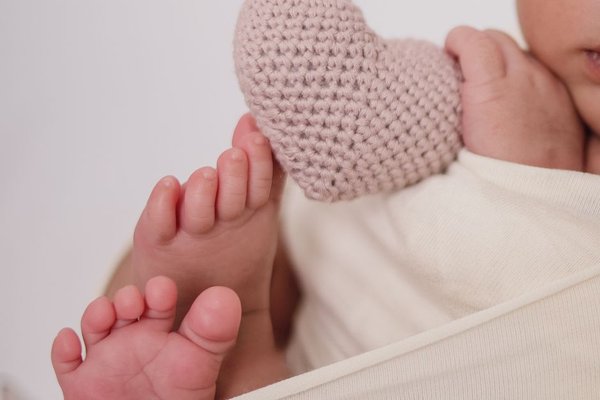
Full-body newborn portraits are lovely, but they often miss the details you may be most surprised by later: the curl of a little finger, wispy hair above an ear, or the crease beneath a tiny heel. Those features are easy to overlook when everyone is concentrating on one perfect picture of the whole baby. These newborn detail photo ideas help preserve what the earliest days actually looked like, without elaborate sets or an exhausting session.
You don’t need a professional camera. A phone, soft daylight, and a few calm minutes are enough for newborn close up photos. The trick is to look for small stories rather than simply zooming in.
Start With the Features That Change Fast
Before planning outfits or backgrounds, make a visual checklist. Think about the parts of your baby you already study during feeds and cuddles. Those are often the baby detail shots that feel most personal later.
Curled fingers and open palms
Photograph a relaxed fist from the side so the knuckles and folds show. If your baby naturally opens a hand, capture the palm lines too. For scale, let one small hand rest against a parent’s fingertip. Never pull fingers open for a picture; the natural curl has its own character.
Feet, heels, and tiny toes
Newborn hands and feet photos work especially well as a pair. Try the underside of both feet, then a side view showing small arches and wrinkled heels. A parent can cradle the feet while another adult photographs them. Include the toes as they naturally spread or curl.
Eyelashes, eyebrows, and eyelids
From a comfortable side angle, focus on eyelashes against a cheek. Sparse eyebrows and delicate closed eyelids can be just as distinctive. Move yourself rather than shifting a sleeping baby into an uncomfortable position.
Hairlines, ears, and the back of the head
Photograph a swirl of hair, a fuzzy hairline, or the shape of one ear while your baby is comfortably supported. These tiny baby features often disappear in a wider portrait. If your newborn has hardly any hair, record that too. Your pictures should show what is there, not imitate someone else’s gallery.
Lips, cheeks, and little expressions
Wait for a yawn, a pout, or the moment a cheek rests against a parent’s arm. Take several frames without trying to direct the expression. The almost-smile between yawns may be more memorable than a staged pose.
Remember the First-Day Details Around Your Baby
Physical features tell only half the story. A few ordinary objects provide context and help you remember when your close-ups were taken.
Hospital bands and first outfits
Photograph a hospital identification band while it is worn, if hospital rules allow, or separately after removal. Keep names and identifying numbers out of images shared publicly. A first hat, a sleeve covering tiny fingers, or a recognizable blanket pattern can also place the photograph in time.
Everyday connections
A baby’s fingers resting around a parent’s finger, a foot nestled in a caregiver’s palm, or a hand beside a sibling’s hand creates instant scale. Support the newborn throughout. The most meaningful comparisons are often ordinary moments, not complicated props.
Try this sequence after a feed when your baby is settled: photograph one hand on a parent’s chest, move closer for the fingertips, then make a wider frame showing the embrace. Three images can tell a fuller story than one tightly cropped picture.
Make Your Close-Ups Clear and Natural
Use gentle window light
Choose indirect daylight and position yourself so light falls softly across the feature. Side lighting reveals finger creases, eyelashes, and fine hair. Avoid strong patches of sun. Turn off harsh overhead lights if they create distracting shadows or mixed colors.
Move closer carefully, but don’t overzoom
With a phone, tap the feature you want sharp and keep the device steady. Many cameras struggle to focus extremely close, so step back if the image looks soft and crop afterwards. Try macro mode if available, but check that the result still looks natural.
Keep backgrounds quiet
A plain onesie or the fabric of a parent’s shirt makes an understated background. You don’t need decorative baskets, cushions, or dangling accessories. Make both a tight crop and a wider picture so you can remember where the detail belongs.
Edit with restraint
Adjust exposure, remove background clutter with a crop, and correct an overly warm color cast. Avoid smoothing away skin texture, fine hair, or natural creases. The goal is to preserve real details, not erase them. Documentary-style pictures do not need polished skin.
Keep the Session Comfortable and Safe
Short sessions are better than pushing through fussiness. Take photographs while your baby is relaxed in a caregiver’s arms or safely supported with an adult immediately beside them. Never leave a newborn unattended, suspend them in props, or force the head, neck, hands, or body into a pose.
If your baby falls asleep, follow safe-sleep guidance instead of prioritizing the photograph: place them on their back in their own clear, firm, flat sleep space. Pillows, loose blankets, nests, and decorative objects do not belong there. You can take another close-up when your baby is awake and comfortable.
Build a Collection Instead of Chasing One Perfect Shot
Collect a few images over the first week rather than finishing everything in one sitting. One day might be feet; another, eyelashes and hair. Keep original files and label an album by date so the first-day pictures don’t disappear among hundreds of camera-roll images.
For a fuller record, combine these close-ups with newborn photography at home, simple newborn photo poses, and baby milestone photo ideas. Wide portraits, intimate details, and everyday interactions tell a richer story together.
Frequently Asked Questions
When should I take newborn detail photos?
The first days and weeks are ideal for fleeting details, but there is no deadline. Photograph your baby whenever they are comfortable, and repeat a favorite hand or foot shot later to show how much has changed.
Can I take good close-up pictures with a phone?
Yes. Clean the lens, use indirect daylight, tap to focus, and hold the phone steady. If the camera cannot focus up close, step back and crop rather than relying on heavy digital zoom.
What details should I photograph first?
Start with fingers, toes, lashes, hair, lips, and ears. Then record something personal, such as the hospital band, first outfit, or a hand resting in yours. Prioritize what feels distinctive to your family.
Do newborn close-ups need special props?
No. A caregiver’s hands, ordinary clothing, and uncluttered surroundings often make the strongest photographs. Avoid props that demand unsafe positioning or interfere with breathing or safe sleep.
Save the Details You Already Love
The best newborn detail photo ideas don’t ask you to create a perfect scene. They ask you to notice what’s already there: a folded ear, a miniature thumbnail, a heel resting in your hand. Photograph these details gently, leave room for ordinary imperfections, and keep enough context to remember the moment. Small images may become some of the biggest memories in your family album.