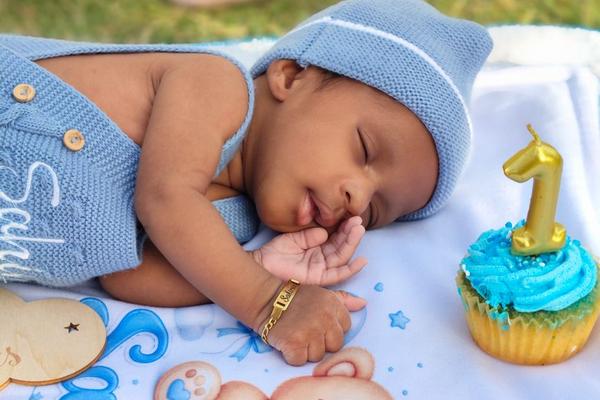
Spanish baby names can carry family history in just a few syllables. A name such as Lucía might honor a grandmother, while Mateo may feel familiar to relatives who speak either English or Spanish. For families in the United States, the challenge is finding a name that feels right across languages without losing its original sound or spelling.
Below are Spanish girl names and Spanish boy names with meanings, approximate pronunciations, and context. The guides reflect common Latin American Spanish speech, although accents vary. Capital letters mark the stressed syllable.
How to Read Spanish Name Pronunciations
Spanish vowels are generally more consistent than English vowels: a sounds like the a in father, e like the e in met without the glide, i like ee, o like a pure oh, and u like oo. The letter j usually has a breathy h-like sound; ñ sounds like ny in canyon. Spanish v and b are pronounced similarly, rather than like English v and b.
Written accents matter, too. Lucía, Inés, Nicolás, and Ángel carry marks that help show stress. The guides below are practical approximations, not exact phonetic transcriptions. Ask a Spanish-speaking family member to say a finalist aloud if authentic pronunciation matters to you.
Spanish Girl Names: Timeless and Meaningful Choices
Names Linked to Light, Hope, and Strength
Lucía (loo-SEE-ah) comes from the Latin name Lucia, connected with lux, meaning “light.” Its three clear syllables work beautifully in Spanish, though English speakers may initially say LOO-sha instead.
Sofía (soh-FEE-ah) is the Spanish spelling of Sophia, from a Greek word meaning “wisdom.” Its familiar sound makes it an approachable bilingual choice. The accent shows that the middle syllable receives emphasis.
Valentina (bah-lehn-TEE-nah) comes from a Latin family of names associated with being strong or healthy. It feels expansive and romantic, and the shorter nickname Vale is used affectionately in some Spanish-speaking families.
Esperanza (ehs-peh-RAHN-sah) directly means “hope” in Spanish. Beyond its beautiful message, the name has a long tradition in Spanish-speaking communities, including religious associations with Our Lady of Hope.
Nature-Inspired Names with a Spanish Sound
Paloma (pah-LOH-mah) means “dove,” a bird often associated with peace. This gentle name feels distinctive in English while being immediately recognizable as a Spanish word.
Luna (LOO-nah) means “moon.” Short, musical, and easy to write, it appeals to parents who love nature names without needing an elaborate explanation of its meaning.
Alba (AHL-bah) is also the Spanish word for “dawn.” The given name has a more complex historical origin, so “dawn” is best understood as its familiar modern Spanish association.
Rocío (roh-SEE-oh) means “dew.” It is also linked to the Marian title Nuestra Señora del Rocío, particularly important in parts of Spain. The accent keeps the i and o in separate syllables.
Inés (ee-NEHS) is the Spanish form of Agnes, traditionally traced to a Greek word meaning “pure.” Compact and elegant, it offers a different rhythm from longer favorites such as Valentina.
Spanish Boy Names: From Familiar Favorites to Heritage Classics
Names That Travel Easily Between Languages
Mateo (mah-TEH-oh) is the Spanish form of Matthew, traditionally interpreted as “gift of God” from its Hebrew roots. It is familiar in the US: Mateo ranked among the top ten boys’ names for births in 2025, according to the Social Security Administration.
Gabriel (gah-BRYEHL) comes from Hebrew and is commonly understood as “God is my strength.” Known across many languages, it maintains a recognizable written form even when pronunciation changes.
Alejandro (ah-leh-HAHN-droh) is the Spanish form of Alexander, from Greek elements meaning “defender of men.” The nickname Álex offers a shorter everyday option.
Nicolás (nee-koh-LAHS) comes from Greek elements meaning “victory” and “people.” The Spanish accent belongs on the final a, and Nico makes an easy nickname.
Names with Place, Faith, and Language Connections
Santiago (sahn-tee-AH-goh) developed from a Spanish form of “Saint James.” It has a strong historical and religious connection, but the name also stands on its own for families drawn to its rhythm and heritage.
Javier (hah-BYEHR) is the Spanish form of Xavier, ultimately associated with a Basque place name meaning “new house.” Its Spanish j does not sound like the j in the English word jar.
Ángel (AHN-hehl) comes through Greek and Latin words for “messenger.” In Spanish, the g before e sounds similar to a breathy h; English speakers may need a reminder that it is not pronounced like the English word angel.
Tomás (toh-MAHS) is the Spanish form of Thomas, from an Aramaic word meaning “twin.” This familiar classic is easy to pair with many surnames, provided its final-syllable stress is respected.
León (leh-OHN) means “lion” in Spanish and is connected with the Latin name Leo. The accent signals two separate vowel sounds rather than the single English syllable in Leon.
Choosing a Name for a Bilingual US Family
Try a real-life test before settling on a favorite. Imagine a child named Rocío introducing herself at a US school. Her teacher might initially say ROH-see-oh, while her family says roh-SEE-oh. Saying the name during roll call, over the phone, and alongside the full surname helps you decide whether that occasional correction feels manageable.
Also consider how the written name will appear on forms, invitations, and school records. If your family uses Sofía or Nicolás, decide whether preserving the accent is a priority and use your chosen spelling consistently. A Spanish-language name does not need an English replacement to be usable in the United States.
Hispanic baby names are not a single uniform tradition. Families from Mexico, Puerto Rico, Colombia, Spain, and elsewhere may share names but differ in pronunciation, nicknames, and customs. Some prefer a religious connection, others a family surname pairing or a name inspired by nature. For more ideas, explore bilingual baby names, nature-inspired baby names, and a baby name pronunciation guide.
Frequently Asked Questions
What are popular Spanish baby names in the United States?
Mateo and Sofia both appeared in the US top ten for 2025 births, according to Social Security data. Popularity changes over time, and Sofia without the accent is the spelling listed in that national ranking.
Do Spanish names always need accent marks?
No. Paloma, Luna, and Mateo do not require written accents, while Lucía, Sofía, and Tomás normally do in Spanish. Accent marks are part of correct Spanish spelling, not decorative additions.
Are Spanish and Hispanic names the same thing?
Not exactly. Spanish names are associated with the Spanish language. Hispanic names can reflect the broader naming traditions of Spanish-speaking communities, including indigenous, regional, and other cultural influences.
Can a Spanish baby name work well with an English surname?
Absolutely. Say the full name aloud, check the initials, and try both English and Spanish pronunciations. A comfortable combination matters more than making both languages pronounce every sound identically.
Finding the Name That Feels Like Home
The most meaningful choice is not necessarily the rarest or highest-ranked one. A name may win you over through its sound, its history, or the person it honors. Start with a few favorites, learn their Spanish pronunciations, and ask how they feel when spoken by the people closest to your child. That connection will last longer than any popularity chart.