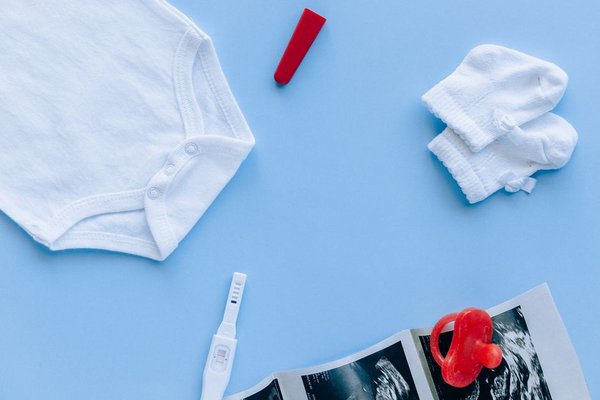
Building a baby registry can turn into a shopping marathon. One list recommends fifty products for sleep alone, while friends insist their favourite gadget is essential. A smarter 2026 approach is to buy less, choose better, and leave space to learn what your baby actually prefers.
This newborn registry checklist covers the items most first-time parents genuinely use during the first year. It starts with safety and daily care, then adds practical comforts. Treat it as a flexible first-time parent checklist rather than a command to purchase everything before birth.
Start With the Three True Essentials
Before adding nursery décor, prioritise a safe sleep space, a correctly fitted rear-facing car seat, and a realistic feeding setup. These products are needed immediately, and correct use matters more than branding.
A safe sleep space
Choose a crib, bassinet, bedside sleeper, or play yard intended for infant sleep, with its correctly fitted firm mattress. Register for two fitted sheets. Keep the surface flat and bare: no pillows, loose blankets, crib bumpers, sleep positioners, or stuffed toys.
Two or three lightweight sleep sacks are useful alternatives to loose bedding. Swaddles may help in the early weeks, but stop using them when your baby shows signs of trying to roll. A sound monitor may be enough.
A rear-facing car seat
Select an infant seat or convertible seat that accommodates a newborn rear-facing. Check its minimum weight, height limits, vehicle compatibility, expiration date, and installation instructions. Avoid aftermarket head supports or strap covers unless supplied or approved by the manufacturer.
A flexible feeding setup
Feeding plans often change, so do not register for twenty bottles of one design. A starter set of four to six bottles in two styles is more practical. Add a bottle brush and burp cloths. Parents using formula should choose one appropriate for their baby, prepare it exactly as directed, and discard milk left after a feed.
Feeding Supplies That Earn Their Space
For breastfeeding, useful baby registry essentials may include two supportive nursing bras, breast pads, nipple cream, and a feeding pillow. Before adding an expensive pump, check whether insurance, an employer, or a local health programme provides one.
For bottle or combination feeding, consider a formula dispenser and insulated bottle bag. A bottle warmer and countertop steriliser are optional conveniences. Start modestly because babies can be particular about nipple flow and bottle shape.
For example, register for two bottle sampler packs instead of a full premium system. After the first two weeks, reorder the style your baby accepts. This prevents unused bottles from filling a kitchen cabinet.
Diapering Without a Giant Stockpile
Register for one or two small packs of newborn diapers and more size-one diapers. Babies grow at different rates, and one brand may fit better than another. Add fragrance-free wipes, diaper cream, a washable changing mat, and an easy-to-clean bin.
A dedicated changing table is optional. A secure changing pad on a suitable surface may work just as well. Keep a portable basket with supplies in the room where you spend most of the day. For cloth diapering, test a small bundle before purchasing a full stash.
Build a Small Clothing Capsule
When deciding what to buy for a newborn, focus on washable pieces with simple fastenings. A sensible starting wardrobe includes six to eight bodysuits, six sleepers, three or four pairs of socks, two light layers, and one season-appropriate outer layer. Zip-front sleepers make nighttime changes easier.
Do not request everything in newborn size. Include zero-to-three-month, three-to-six-month, and six-to-nine-month clothing while considering the season. One or two special outfits are enough; everyday clothing will receive far more use.
Bath, Health, and Everyday Care
A basic care kit should include a digital thermometer, baby nail file or clippers, saline drops, a nasal aspirator, soft washcloths, and a gentle fragrance-free cleanser. An infant bath can be useful, but a safe sink insert or suitable support may work better in a small home.
Avoid building a newborn medicine cabinet without professional guidance. Many products are unsuitable for newborns, and dosing requires medical advice. Keep your paediatrician or local health service contact details accessible.
Travel and Daily Movement
After the car seat, choose a stroller, baby carrier, or both according to your routine. City walkers may value a compact stroller, while families using stairs or public transport may prefer a supportive carrier. Confirm that any carrier suits newborns and keeps the baby’s face visible with a clear airway.
Your diaper bag can be a comfortable, washable backpack with room for diapers, wipes, a spare outfit, feeding supplies, and a wet bag. A portable changing mat and weather cover are often more useful than coordinated accessories.
What to Leave Off the Baby Shower Registry
Wipe warmers, huge newborn wardrobes, specialised food makers, designer storage, and multiple swings can wait. Avoid products marketed for routine sleep unless specifically designed and approved as infant sleep spaces. Loungers, swings, strollers, and car seats should not replace a proper sleep surface at home.
Be careful with secondhand safety gear. Pre-owned clothing can be excellent, but car seats, cribs, bassinets, and similar products require checks for recalls, damage, missing parts, age, and current compliance. Register durable products with the manufacturer so recall notices can reach you.
Use a Three-Stage Registry Plan
Divide purchases into “needed before birth,” “useful in the first three months,” and “buy later if needed.” The first group includes the car seat, sleep space, feeding basics, diapers, clothes, and care kit. Later categories can include larger clothes, toys, and preference-based gear.
For a couple in a small apartment, this might mean a bassinet, convertible crib, compact stroller, car seat, six sleepers, bottle sampler, diaper supplies, and basic health kit. Gift cards can cover later sizes and unexpected preferences without filling every cupboard.
Helpful internal topics to explore next are newborn sleep essentials, diaper changing station setup, and how to choose a baby carrier.
Frequently Asked Questions
How many items should be on a newborn registry?
There is no perfect number. A focused registry may include 40 to 60 choices across different prices, including consumables, group gifts, and gift cards. Relevance matters more than length.
When should first-time parents create a registry?
Many parents begin during the second trimester and share it before baby shower invitations are sent. Starting early allows time to compare safety features, return policies, and prices.
How many newborn diapers and outfits are needed?
Begin with small quantities. One or two newborn diaper packs and six to eight everyday outfits are reasonable, with additional diapers and clothing requested in larger sizes.
What must be purchased before the baby arrives?
Prioritise an installed car seat, safe sleep space, basic feeding supplies, diapers, wipes, seasonal clothes, a thermometer, and simple hygiene items. Décor, toys, and specialised gadgets can wait.
Choose Products With a Clear Purpose
The best newborn registry checklist is not the longest. It prepares you for the first days, protects your budget, and adapts as your baby grows. Choose safe, washable, versatile products, keep preference-based purchases small, and delay anything that solves a problem you do not yet have. Buying less but better creates a calmer home and a registry filled with items you are far more likely to use.