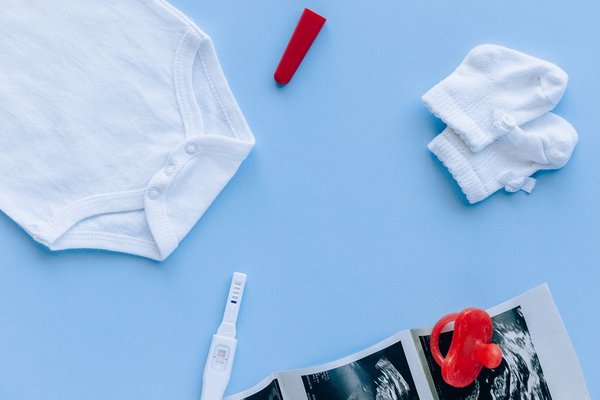
A newborn registry can become expensive when every “must-have” list includes dozens of gadgets your baby may never use. A better approach is to register for fewer items that solve daily needs: safe sleep, feeding, diapering, transport, clothing, bathing, and basic health care. This newborn registry checklist covers the first year without turning your home into a storage unit.
Before adding anything, consider your space, laundry routine, feeding plans, climate, and access to shops. Cover the essentials, leave room for your baby’s preferences, and buy more only when a genuine need appears.
Start With the Non-Negotiable Safety Essentials
A safe place to sleep
Choose one safety-approved crib, bassinet, or play yard with a firm, flat mattress and tightly fitted sheet. Keep the sleep space clear of pillows, loose blankets, crib bumpers, positioners, and stuffed toys. Register for two or three fitted sheets and a properly fitted waterproof mattress protector.
You do not need a decorative bedding set, sleep nest, or inclined sleeper. Add wearable sleep sacks in suitable seasonal weights instead of loose blankets, but avoid buying too many in the smallest size.
A properly fitted car seat
A rear-facing infant or convertible car seat is one of the most important baby registry essentials. Confirm that it fits your vehicle and can be installed correctly. Babies should remain rear-facing until they reach the maximum height or weight allowed by the seat. For two cars, a second compatible base may be more useful than another full seat.
Avoid used seats unless you know their complete history, expiry status, and whether they have been involved in a crash. A professional fitting check is worthwhile.
Feeding Gear: Buy Enough to Test
Babies often have strong bottle preferences. Instead of registering for a large set from one brand, choose a small starter selection with slow-flow nipples. Four to six bottles are usually enough initially for combination or formula feeding. Add a bottle brush and drying rack. A warmer and dedicated sterilizing machine are optional for most households.
For breastfeeding, useful items include supportive nursing bras, breast pads, nipple cream, burp cloths, and possibly a feeding pillow. Check insurance, healthcare, or workplace benefits before adding an expensive pump. Avoid buying large quantities of milk storage bags before you know your routine.
Formula-feeding families can begin with basic preparation supplies rather than specialised mixing gadgets. Do not stockpile formula before birth, because availability, tolerance, and medical recommendations may influence which type you use.
Diapering Without the Extras
Register for one or two small packs of newborn diapers and more in size one. Some babies outgrow newborn sizes within days. Add fragrance-free wipes or reusable cloths, barrier cream, and a wipe-clean changing mat. A dedicated changing table is optional if another secure surface works in your home.
A diaper pail can control odors, but a lidded bin emptied regularly may work just as well. Wipe warmers can wait. For cloth diapering, try a small set before investing in a full system because fit, washing, and preferred styles differ.
Clothing: Register by Laundry Cycle
When deciding what to buy for a newborn, base quantities on how often you wash clothes. A useful starting point is six to eight bodysuits, six to eight sleepsuits, two lightweight layers, several pairs of socks, and one or two season-appropriate outdoor hats. Choose washable fabrics and fastenings that make diaper changes easy.
Spread clothing across newborn, zero-to-three-month, and three-to-six-month sizes. Skip large collections of special-occasion outfits and shoes. For example, parents doing laundry every other day may manage with eight sleepsuits, while a household with limited laundry access may prefer twelve.
Bathing and Everyday Care
Keep bath supplies simple: a baby bath or supportive insert, two hooded towels, several washcloths, gentle fragrance-free cleanser, and a soft hairbrush. Babies must always be supervised within arm’s reach around water, so supportive products never replace direct attention.
For basic health care, add a digital thermometer, baby nail file or clippers, nasal saline, a nasal aspirator, and a small first-aid pouch. Ask your pediatrician what medicines, if any, should be kept at home and how to respond to fever in a young infant.
Getting Out of the House
Choose a stroller for your actual environment. City parents may prioritise a compact fold and public-transport access; families using uneven paths may need stronger wheels. Test the handle height, folded size, weight, brakes, and car-trunk fit. A baby carrier can be equally useful if it supports comfortable positioning and adjusts for different caregivers.
A practical diaper bag does not need to be baby-specific. Any washable bag with comfortable straps and room for diapers, wipes, spare clothing, feeding supplies, and a small mat can work. Add a portable changing pad and wet bag rather than a large matching accessory set.
Useful Items That Can Wait
High chairs, larger toys, baby-proofing equipment, and weaning supplies will be needed later, but they do not all need to arrive before birth. Swings, bouncers, and activity centres are optional; some babies enjoy them, while others refuse them.
A monitor depends on your home layout. Audio may be enough in a small flat, while video can be convenient in a larger home. Neither replaces safe-sleep practices or caregiver checks. Smart socks and wellness trackers should not be treated as medical devices unless specifically cleared and recommended for that purpose.
A Lean First-Time Parent Checklist
Your core first-time parent checklist should cover one safe sleep space, fitted sheets, a rear-facing car seat, basic feeding supplies, a modest diaper setup, practical clothing in several sizes, simple bath products, a thermometer and grooming kit, a stroller or carrier, and a functional travel bag. Add optional products only when they match your home and routine.
Helpful internal reads include newborn sleep essentials, choosing a baby car seat, and preparing your home for a new baby. Each supports the registry process without encouraging unnecessary purchases.
Frequently Asked Questions
When should I start a newborn registry?
Many parents begin during the second trimester, leaving time to compare products, check return policies, and share the list before a baby shower.
How many items should be on a baby registry?
There is no ideal number. A focused baby shower registry may contain 30 to 50 useful items across different price points; relevance matters more than quantity.
Should I register for newborn-size diapers and clothes?
Yes, but only in small quantities. Babies vary in birth size and growth rate. Keep receipts, choose flexible exchanges, and put greater emphasis on the next size up.
What are commonly unnecessary registry items?
Often-skipped products include wipe warmers, elaborate bedding sets, baby shoes, multiple feeding gadgets, oversized newborn wardrobes, and items that duplicate something you own. Delay uncertain purchases until a real need develops.
Build a Registry That Supports Real Life
The best newborn registry checklist is not the longest. It makes feeding, sleeping, changing, traveling, and recovery easier without filling your home with products chosen for an imagined version of parenthood. Start with safety and daily function, register for small test quantities where preferences matter, and leave some purchases until after your baby arrives. This gives first-time parents more flexibility, fewer returns, and a better chance of using everything they receive.