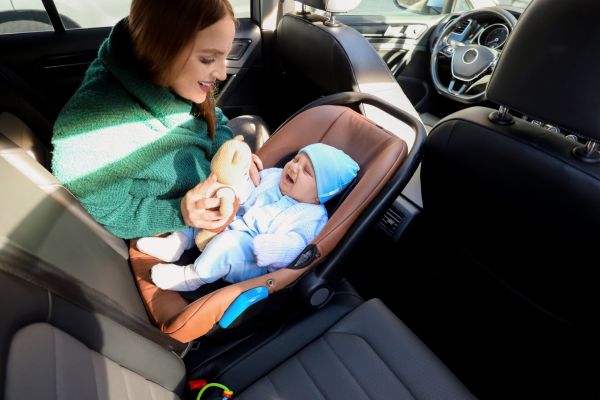
The New Reality of Traveling with a Baby
A road trip used to mean a full tank of gas, a playlist, snacks in the front seat, and the freedom to stop whenever the mood felt right. Add an infant to the picture, and the whole idea changes. Suddenly, every mile comes with questions. Will the baby sleep? Where can we stop to feed? What if there is a diaper emergency on a highway with no exit in sight?
Planning a road trip with infant passengers does not have to feel overwhelming, though. It simply asks for a slower pace, a little more preparation, and a softer idea of what travel should look like. Babies do not care about arrival times or scenic detours. They care about comfort, food, sleep, and being close to the people they trust.
A successful road trip with a baby is not one where everything goes perfectly. It is one where the adults stay flexible, the baby’s needs are respected, and the journey feels manageable instead of stressful. With the right rhythm, even a long drive can become a calm family memory rather than something everyone just survives.
Choosing the Right Time to Travel
Timing matters more when traveling with an infant than it does on most adult-only trips. Babies have their own natural patterns, even if those patterns sometimes change without warning. Some sleep best in the morning. Others settle more easily after a feeding. Some babies nap beautifully in the car, while others strongly object to being strapped in for more than a few minutes.
Before planning the route, think about your baby’s usual day. If mornings are peaceful, leaving early may help you cover a good stretch before the first big stop. If your infant tends to sleep deeply after an evening feed, a later departure might work better for a shorter trip. The goal is not to force the baby into the travel plan, but to shape the travel plan around the baby as much as possible.
It is also worth avoiding peak traffic when you can. Sitting in a jam with a crying baby in the back seat can make even a short drive feel endless. A calm departure window gives everyone a better chance of starting the trip in a steady mood.
Planning a Route with Plenty of Breaks
When adults travel alone, they may try to push through long stretches without stopping. With an infant, that approach usually creates more stress than it saves. Babies need breaks from the car seat, and parents need time to feed, change, soothe, and reset.
A helpful rule is to plan stops before you desperately need them. Look at the route ahead of time and note family-friendly rest areas, clean service stations, parks, or towns where you can comfortably pause. A stop does not have to be long, but it should give everyone a chance to breathe.
These breaks can also help prevent the trip from feeling like one long endurance test. A short walk, a diaper change, a feeding, and a few minutes of cuddling can make the next part of the drive smoother. It may add time to the journey, but it often saves emotional energy.
Packing the Car Like a Parent, Not a Tourist
Packing for a road trip with an infant is less about style and more about access. You do not want the diaper bag buried under suitcases when the baby has a blowout. You do not want spare clothes somewhere in the trunk when milk spills across the car seat straps. Organization matters because it keeps small problems from becoming big ones.
Keep the essentials close. Diapers, wipes, changing pads, burp cloths, extra outfits, feeding supplies, pacifiers, blankets, and small comfort items should be easy to reach. A separate bag for urgent baby needs can be a lifesaver. It should be the bag you can grab quickly at a rest stop without unpacking half the vehicle.
It is also smart to pack more than you think you will need. Babies have a way of using three outfits when you packed two, or needing a fresh blanket right after you thought you were done with messes for the day. Extra supplies bring peace of mind, and peace of mind is valuable on the road.
Keeping Feeding Simple and Comfortable
Feeding can shape the entire rhythm of the trip. Whether your baby is breastfed, bottle-fed, or starting solids, the key is to keep feeding calm and unhurried. Trying to rush a baby through a feed because the schedule says you should be somewhere by noon rarely works well.
For breastfeeding parents, privacy and comfort may be important, so planned stops can make a big difference. For bottle-feeding, having clean bottles, formula or expressed milk, and safe storage ready will reduce stress. If the baby is old enough for simple snacks or purées, keep them easy to access and easy to clean up.
A feeding break is also a good emotional reset. Babies often want closeness after being in the car seat, and feeding gives them that reassurance. Even if the stop takes longer than expected, it may lead to a more peaceful stretch of driving afterward.
Making Sleep Part of the Travel Plan
Many parents hope their baby will sleep through most of the drive. Sometimes that happens. Sometimes it does not. The best approach is to create conditions that support sleep without depending on perfect naps.
Dress the baby comfortably, keep the car temperature pleasant, and bring familiar sleep cues if they help. A favorite blanket, soft music, white noise, or a normal nap routine before leaving can make the car feel less strange. Some infants settle quickly with motion, while others need time and patience.
At the same time, it helps to accept that sleep may look different on travel days. Naps may be shorter. Bedtime may shift. The baby may wake more often after arrival because the environment is unfamiliar. This does not mean the trip has failed. It simply means the baby is adjusting, and that is normal.
Managing Crying Without Panic
At some point, most babies cry in the car. It can feel intense because the parent cannot always fix the problem immediately. The sound fills the vehicle, the driver feels distracted, and everyone’s nerves tighten.
The first step is to stay calm enough to think clearly. If the baby sounds distressed and you cannot safely soothe from the passenger seat, find a safe place to stop. Sometimes the baby needs a diaper change, a feed, a burp, or just to be held. Other times, they are tired and frustrated by the limits of the car seat.
Crying does not mean you planned badly. It does not mean the baby hates travel forever. It is communication. The best response is steady, patient, and practical. Pull over when needed, comfort the baby, and continue when everyone is ready.
Creating a Calm Car Environment
The atmosphere inside the car matters. Babies are sensitive to noise, tension, temperature, and sudden changes. A calm environment can help the whole family feel more settled.
Keep the car comfortable but not overstimulating. Gentle music may help, but loud conversations, strong scents, or constant toy rattling can sometimes make a tired baby more unsettled. Window shades can reduce bright sunlight, and a mirror may help parents check on the baby without repeatedly turning around.
For older infants, a few safe, soft toys can offer distraction. Still, simple is usually better. Too many items in the back seat can become clutter, and clutter adds stress. The aim is to make the car feel safe, quiet, and predictable.
Adjusting Expectations About Arrival
One of the biggest mental shifts in planning a road trip with infant needs in mind is letting go of the perfect timeline. A drive that once took four hours may now take six. A quick lunch stop may become a full reset. A scenic overlook may be skipped because the baby finally fell asleep.
This is not a problem. It is just a different kind of travel.
Parents often feel frustrated when the trip does not move according to plan, but babies have a way of reminding adults that life is not built around exact schedules. When expectations are flexible, small delays feel less like failures. The journey becomes more forgiving.
It helps to build extra time into the day and avoid stacking too many plans immediately after arrival. Once you reach your destination, everyone may need a quiet period before doing anything else. That space can make the whole trip feel gentler.
Conclusion: A Slower Trip Can Still Be a Good Trip
Planning a road trip with an infant is really about learning to travel at a baby’s pace. It asks for patience, preparation, and the willingness to stop more often than you normally would. It also asks parents to release the old version of a road trip, the one built around speed, spontaneity, and long uninterrupted stretches of driving.
But there is something sweet about this slower style of travel. You notice the small pauses. You become more aware of comfort, rhythm, and togetherness. You learn that reaching the destination matters, but so does how everyone feels along the way.
A good road trip with a baby does not have to be flawless. There may be crying, extra stops, messy clothes, and moments when the plan changes completely. Still, with thoughtful preparation and realistic expectations, the journey can feel calm, connected, and even memorable. In the end, the best family trips are not always the smoothest ones. They are the ones where everyone is cared for, mile by mile.